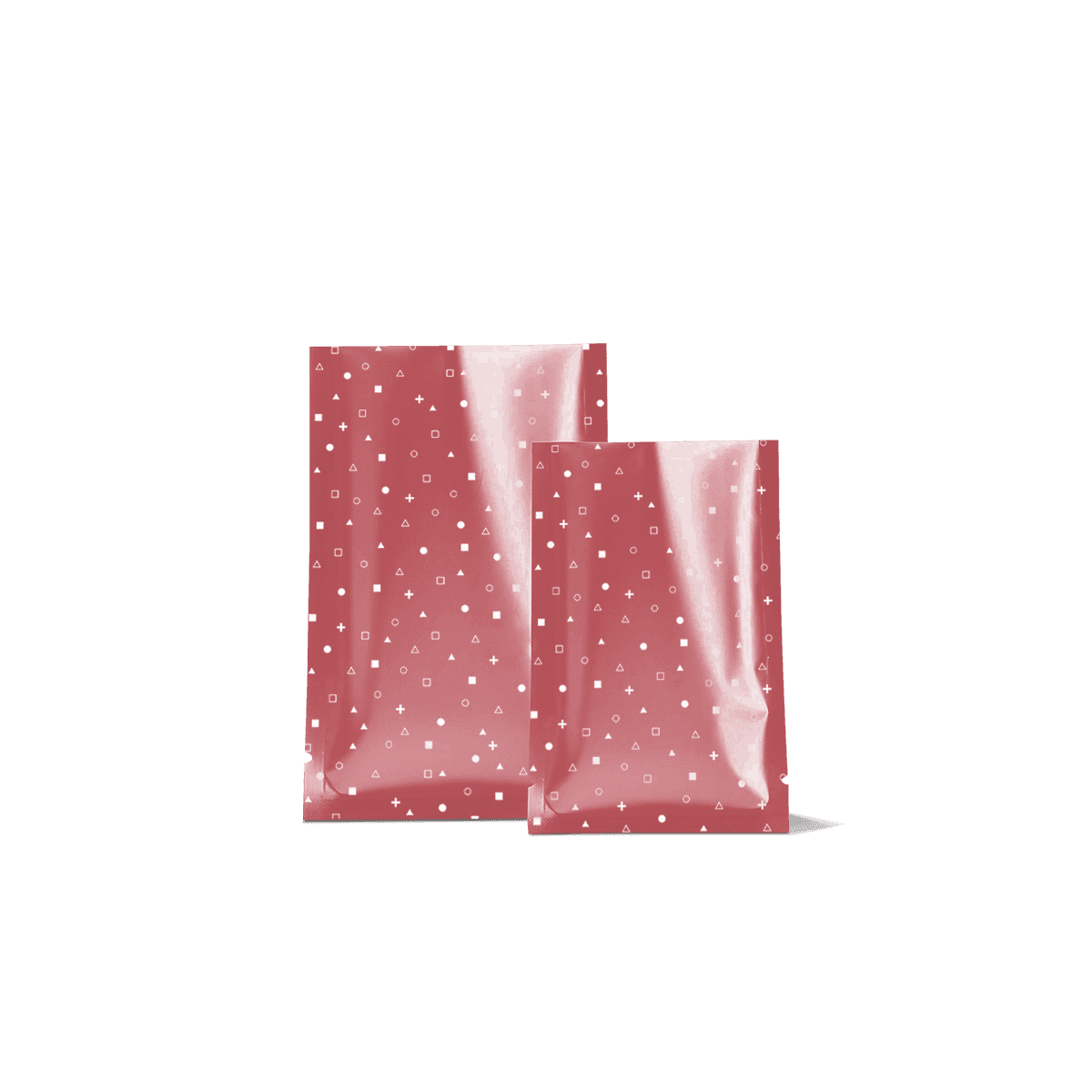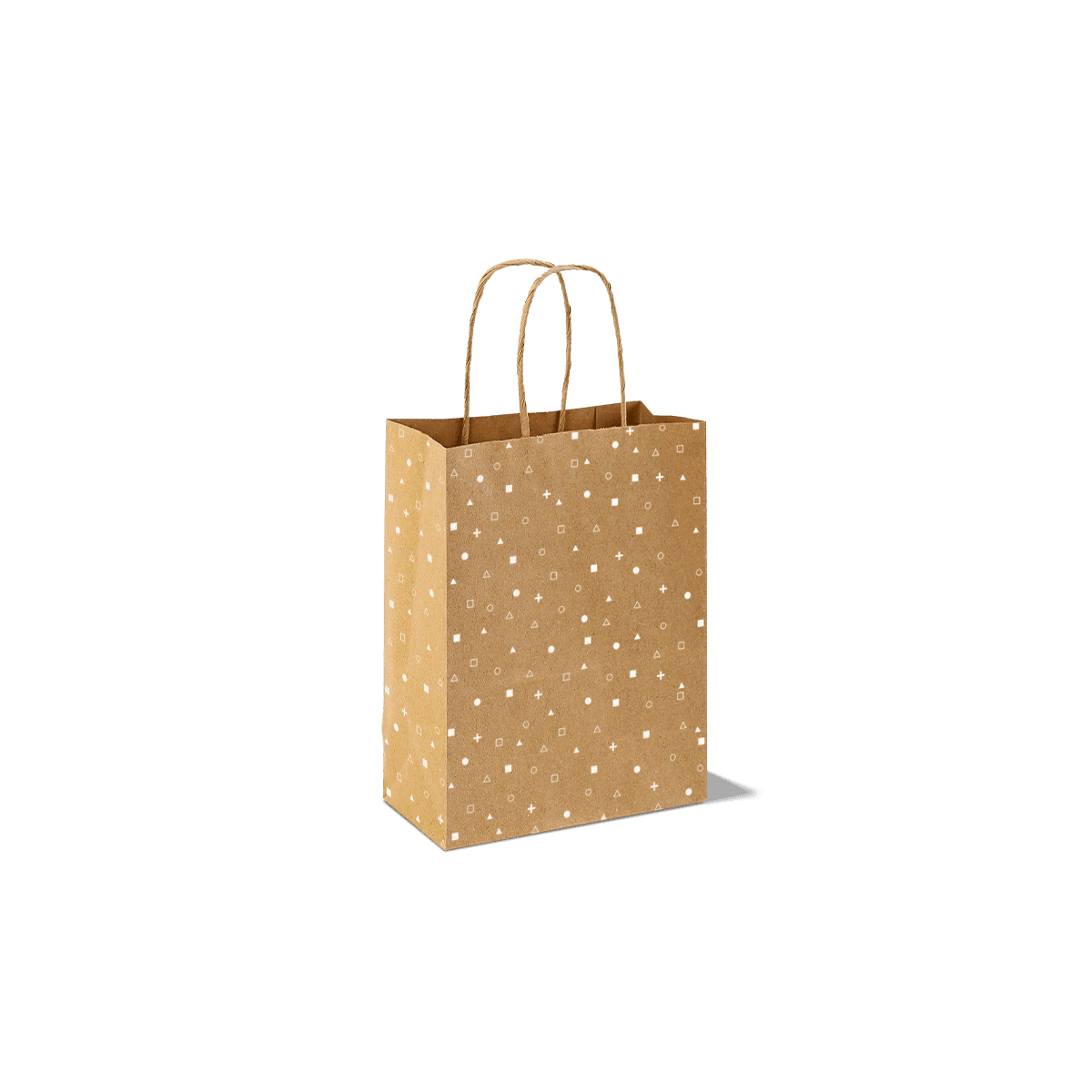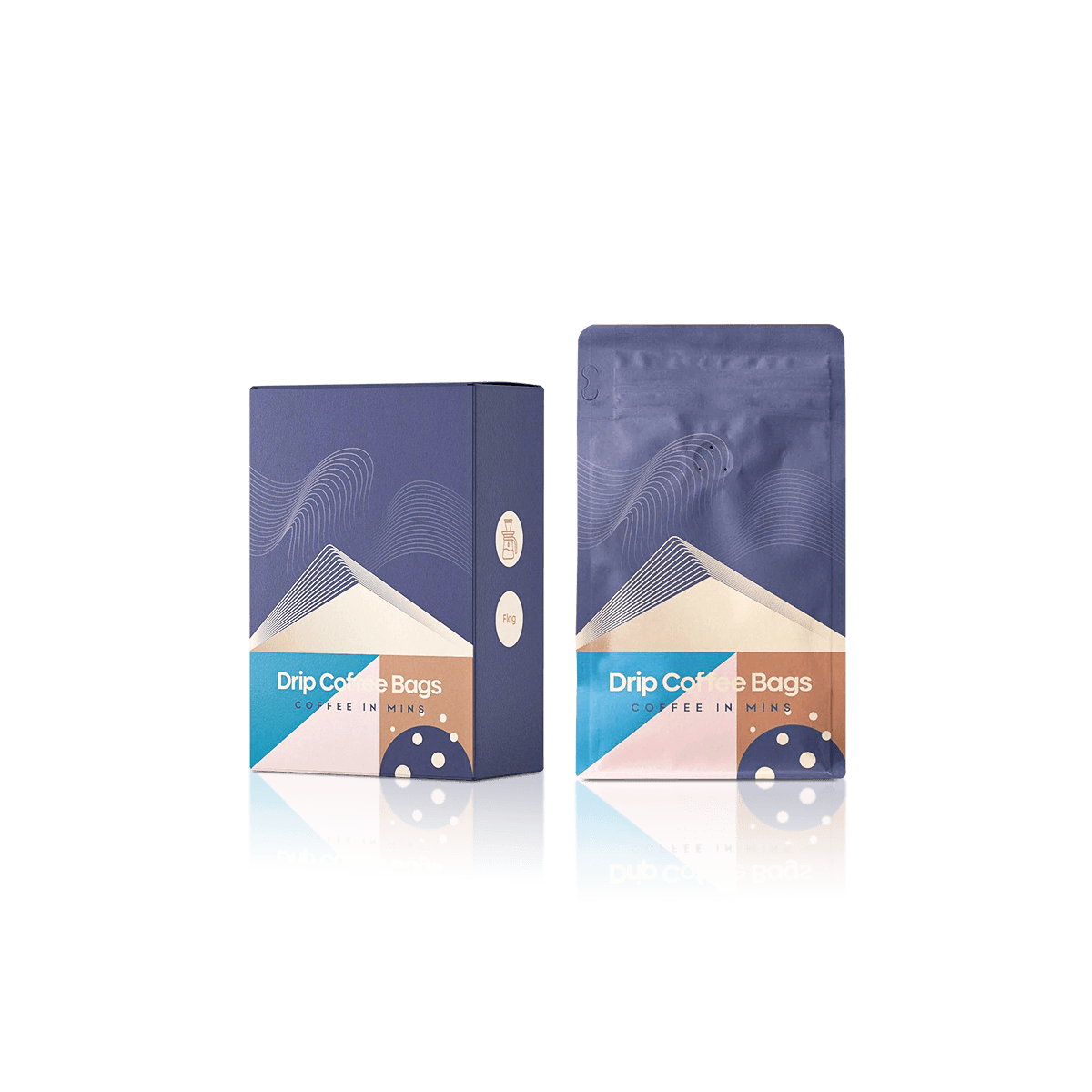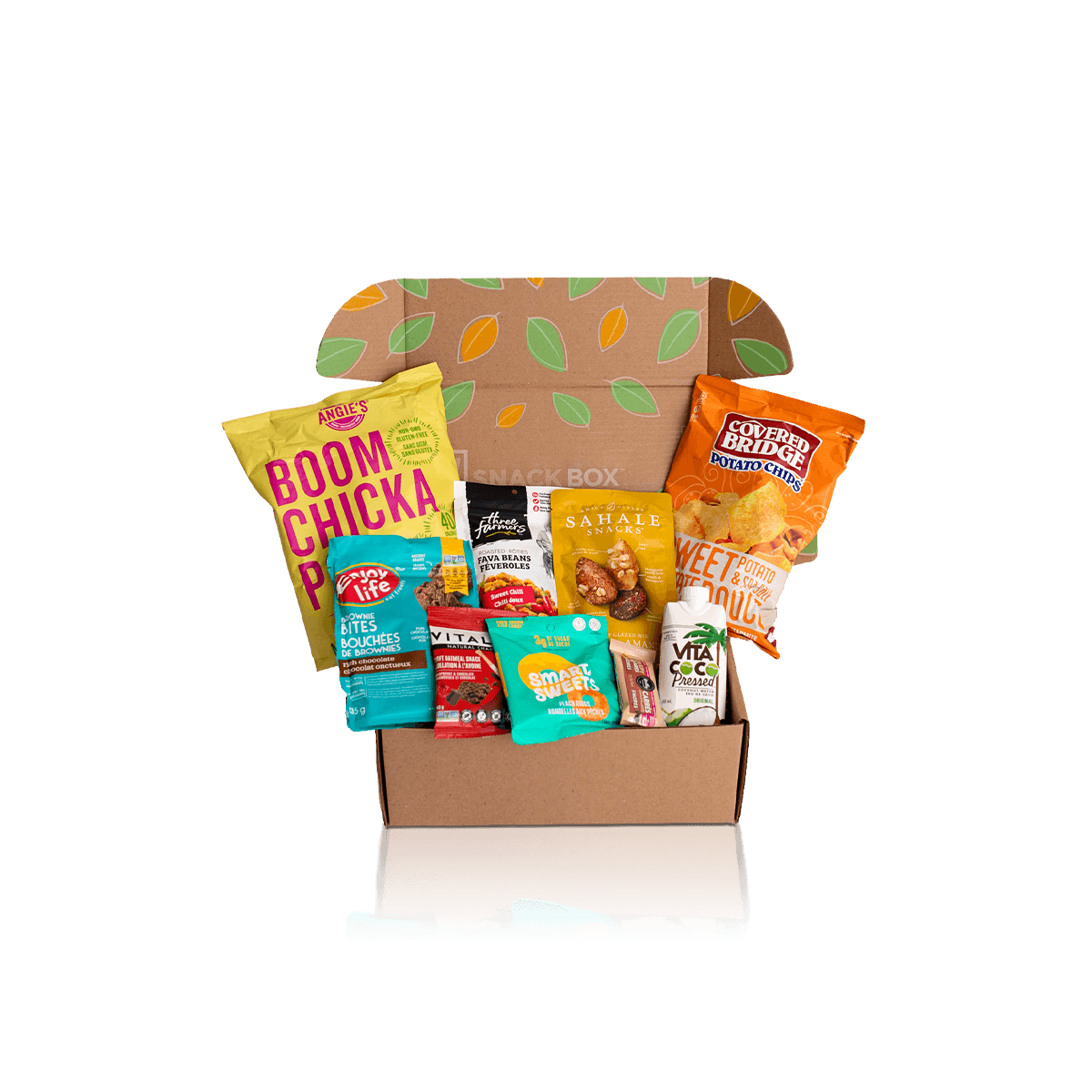
Custom Pinch Bottom Paper Bags
Foldable paper bags for dry food, bakery, snacks and retail items, with custom sizing, branded print and practical closure space.
Free Design Support
Clear Pricing
Flexible Quantities
Unlimited Customization
Premium Materials
Offset Precision
Free Shipping
Quick Turnaround
Folded Bags for Dry Goods and Neat Handovers
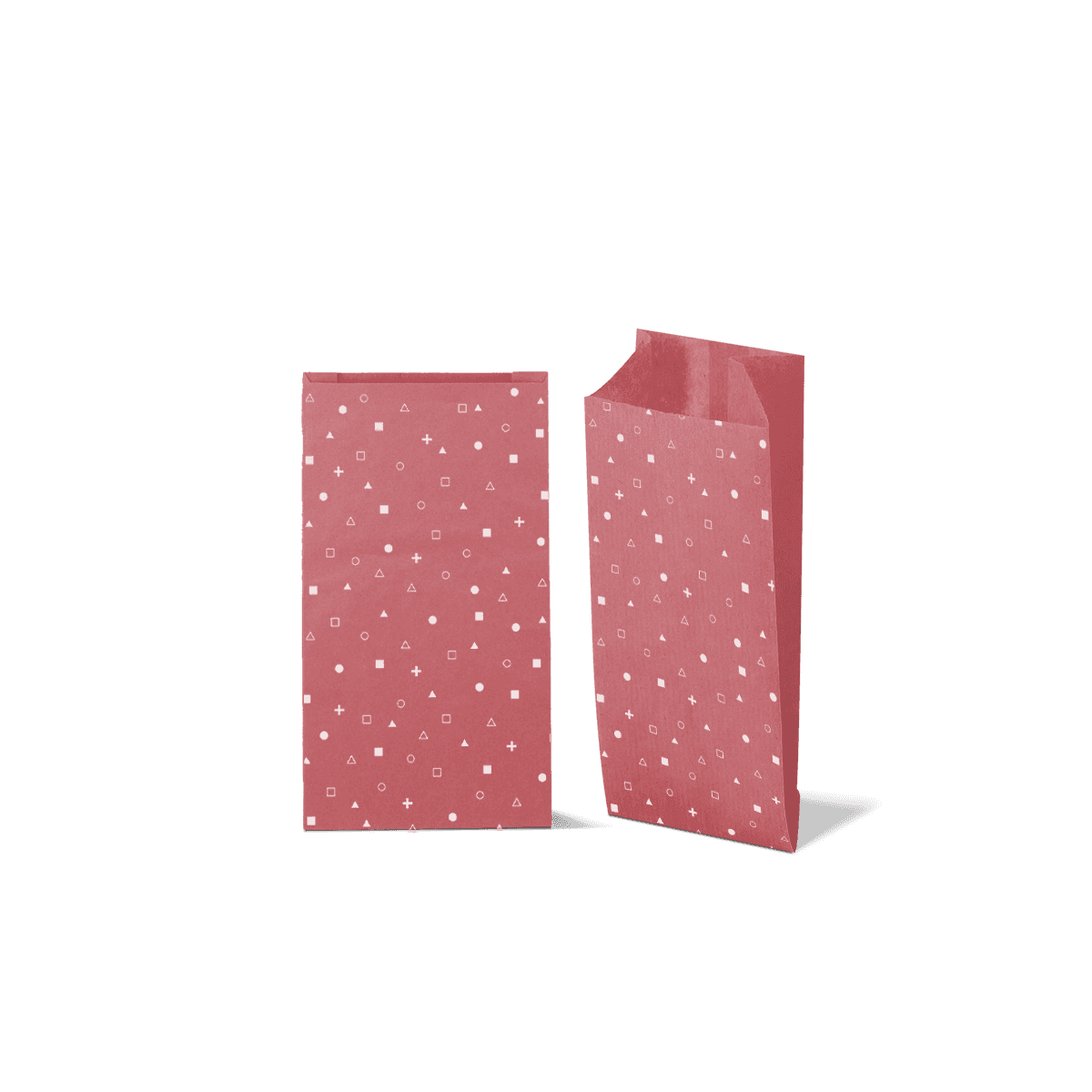
Custom Pinch Bottom Paper Bags suit products that need a simple paper pouch format with a closed base, open fill area and foldable top.
This bag style works well for dry bakery items, bread-style products, snacks, confectionery, dry food goods, market products, retail extras, samples and lightweight takeaway items. It is useful when the product does not need a carry handle but still needs a printed, branded outer that can be folded, labelled or sealed after filling.
The key difference is the bag’s closure behaviour. A flat bottom bag focuses on standing stability. A shopping bag focuses on carry comfort. A pinch bottom bag focuses on product containment, fill height, fold-over space and a clean top closure. It is often chosen when the packed item needs to stay contained inside a slim paper format rather than sit upright in a wide carry bag.
Custom Pinch Bottom Paper Bags are most effective when size, paper weight, top fold, bottom seam and product type are planned together. Custom Packly can help match the bag to your product, print design and order volume, from MOQ 50 through to larger repeat packaging runs.
For broader bag choices across handle, carry and retail formats, Custom Paper Bags covers the full paper bag family.
What the Pinch Bottom Does
Custom Pinch Bottom Paper Bags use a closed lower end that helps contain the product while keeping the top open for filling and folding.
The structure is practical for dry products that need quick loading and neat closure. Instead of relying on a wide self-standing base or added handle, the bag’s performance comes from the lower seam, side folds, paper strength and top fold area.
A closed base for contained products
The lower end helps hold the product inside the bag and gives the pack a more finished shape than a loose sheet wrap or plain open paper sleeve.
This is useful for dry bakery items, sweets, small food products, stationery, samples and market goods. The base should match the product’s width and thickness so the bag does not bulge awkwardly or leave too much empty space.
A top that can fold, label or seal
The open top gives staff room to fill the bag, then fold it down. A sticker, label, tape strip or printed tag can help keep the fold neat and add brand detail.
This top area should not be treated as wasted space. It affects fill height, product movement, artwork position and how the customer opens the pack.
A slimmer shape than carry bags
Pinch bottom bags usually feel more like a pouch or product bag than a shopping bag. That makes them useful for products that are handed over, packed into a larger carry bag or placed into a retail display.
If the product needs to stand upright at pickup, Custom Flat Bottom Paper Bags may be a better fit. If the product needs a shopping-style carry format, a handle bag will usually suit better.
Products That Suit This Bag Style
Custom Pinch Bottom Paper Bags are best for products that are dry, lightweight and easy to load from the top.
They are not the right choice for every product. Heavy, wet, oily, fragile or tall items may need a different structure. The strength of this bag style is simple filling, neat folding and compact presentation.
Bakery and bread-style items
Pinch bottom bags can suit bread rolls, pastries, biscuits, cookies, small loaves, wrapped desserts and dry bakery goods when the material is suitable for the product.
For bakery use, the bag should be chosen around the product’s grease, moisture and freshness needs. Some items may need an inner wrap, liner or food-suitable material before the outer bag is finalised.
Snacks, dry goods and confectionery
Dry snacks, sweets, nuts, tea samples, granola, biscuits, chocolate gift items and confectionery can work well in this style when the bag size and closure area are correct.
The slim format can help products look tidy on counters, in gift sets or inside larger branded packs. It can also support seasonal ranges where each product needs a branded paper outer.
Retail samples and small goods
Custom Pinch Bottom Paper Bags can also suit non-food items such as product samples, stationery, gift vouchers, small accessories, soap bars with inner wrap or lightweight retail extras.
For product launches or markets, the bag can create a branded handover without the bulk of a handled paper bag.
Closure Space Controls the Pack
The top fold is one of the most important design decisions for Custom Pinch Bottom Paper Bags.
A bag can be the right width and still fail if there is not enough headspace to fold cleanly. The product needs room inside the bag, then extra paper above it for closing, labelling or sealing.
Fold-over depth
Fold-over depth affects how secure and neat the finished pack looks. Too little space can make the closure pop open. Too much space can make the bag look oversized or waste material.
A good fold should sit above the product without crushing it. For bakery and dry goods, this also helps keep the product shape cleaner during handover.
Labels and stickers
Labels and stickers can secure the fold and add brand detail. They are useful for flavours, batch details, product names, freshness dates, event names or seasonal messages.
The label area should be planned before printing. If the label covers important artwork, the bag can look cluttered or poorly aligned.
Heat, tape or manual closure
Some products may use tape, stickers or other closure methods depending on the material, product type and packing process. The right option depends on how fast the bags are filled, how secure the closure needs to be and how the customer will open the pack.
If a closure method is important to the product experience, it should be tested before a larger run.
Paper and Barrier Choices Need Product Context
Custom Pinch Bottom Paper Bags should be matched to the product’s surface, moisture, grease and shelf-life needs.
A dry biscuit and a warm pastry do not behave the same way. A wrapped soap bar and a loose snack also need different material planning. Paper choice should support the product, not only the brand colour.
Kraft for natural food and market products
Kraft paper suits dry goods, handmade products, bakery items, organic-style ranges, markets and simple retail presentation. It gives a natural look and works well with dark logos, single-colour print and minimal artwork.
Custom Kraft Paper Bags can support a wider kraft packaging direction when the brand wants a consistent natural look across carry bags, product bags and retail handover.
White paper for cleaner product branding
White paper suits products that need sharper colour, clearer print and a cleaner retail look. It works well for confectionery, branded samples, gift products, event packs and retail goods with detailed logos.
White stock also gives more control for full colour artwork, especially when the design uses light tones or fine detail.
Grease and moisture considerations
If the bag will hold food directly, confirm the material and coating requirements before production. Grease, warmth and moisture can affect paper strength, print surface and customer experience.
For many food products, the pinch bottom bag may work as an outer layer while the product is wrapped, boxed or lined separately. That choice depends on the product and how it is sold.
Sizing for Fill Height and Product Movement
Custom Pinch Bottom Paper Bags should be sized by product footprint, fill height and fold-over space.
A product can fit inside the bag but still move too much, crush the fold or make the printed face look distorted. Good sizing prevents those issues and makes the pack easier to fill.
Check product width and thickness
Measure the product at its widest and thickest point. Dry bakery goods, snack portions and small retail products often change shape when stacked or wrapped.
The bag should fit the product without squeezing it. A tight bag can damage the product or make packing slow. A loose bag can feel unfinished.
Allow enough headspace
Headspace is the extra paper above the product. It gives staff room to fold, seal or label the top.
This is especially important for products sold by count, such as cookies, rolls, samples or confectionery. A small change in quantity can change the fill height.
Test the pack by quantity
For food and sample products, test the bag using the real count or portion size. A bag that fits three items may not work for four. A bag that holds one pastry may not hold two without changing the fold.
This test is more useful than measuring the empty bag alone.
Print That Works on a Folded Top Bag
Printing on Custom Pinch Bottom Paper Bags should consider the bottom seam, side folds and top closure area.
The visible brand area can change after the bag is filled and folded. If the logo sits too high, the fold or label may cover it. If artwork sits too low, the bottom seam or product bulge can affect how it looks.
Keep the main logo in the safe face area
The logo should sit on the main front area where it stays visible after filling. Avoid placing key branding too close to the fold line or bottom seam.
For smaller bags, simple artwork often performs better than dense design. A logo, product name and short message may be enough.
Use the back for practical details
The back panel can carry ingredients, product notes, QR codes, barcode space, batch labels or short handling details when suitable.
If a label will be added after filling, leave room for it. Printed and applied details should not fight for the same space.
Choose colour based on paper stock
Kraft paper softens colour and suits darker print. White paper gives brighter colour and sharper contrast.
Premium offset printing can help create a cleaner result, but paper colour and texture still influence the final look. Custom Packly can help review artwork before production so the print works with the structure.
Packing Flow Matters More Than It Seems
Custom Pinch Bottom Paper Bags should support the way staff fill, fold and finish the product.
A good bag should not slow down the packing table. It should open clearly, accept the product without forcing and close in a repeatable way. This matters for bakeries, cafes, food makers, markets, event teams and brands packing seasonal product runs.
Open-top filling
The open top makes loading simple. Staff can drop in, slide in or place products by hand depending on the product shape.
The opening should be wide enough for the product but not so loose that the bag loses shape when folded.
Repeatable closure steps
A repeatable closure helps the final packs look consistent. Fold depth, sticker position and label placement should be easy for staff to repeat across a batch.
This is useful for product ranges where several flavours, sizes or variants use the same bag style.
Efficient storage before filling
Pinch bottom bags should store flat and take up less space than many formed carry bags. This can help small production rooms, market teams and cafes that need packaging on hand without using too much storage area.
For larger runs, carton packing, storage space and reorder timing should be included in production planning.
When Another Paper Bag Works Better
Custom Pinch Bottom Paper Bags are practical for dry goods and foldable closure, but they are not always the best paper bag style.
The right bag depends on product weight, product shape, handover setting and whether the customer needs to carry the order by a handle.
Flat bottom bags for upright packing
Flat bottom bags are better when the product needs to stand upright. They suit takeaway orders, bakery boxes, groceries, jars and wider gift packs.
Choose flat bottom when base stability matters more than a foldable top closure.
Paper shopping bags for customer carry
Custom Paper Shopping Bags suit retail purchases that customers carry away by hand.
They are more suitable for apparel, gifts, accessories, boxed products and larger retail items that need a handle.
Kraft bags for broader natural packaging
Kraft paper bags can include several formats, including product pouches, carry bags and retail bags. They suit brands that want a consistent natural look across different packaging needs.
If the main goal is a kraft finish across multiple bag styles, choose the structure first, then apply the kraft material direction.
Dielines for Folds, Seams and Labels
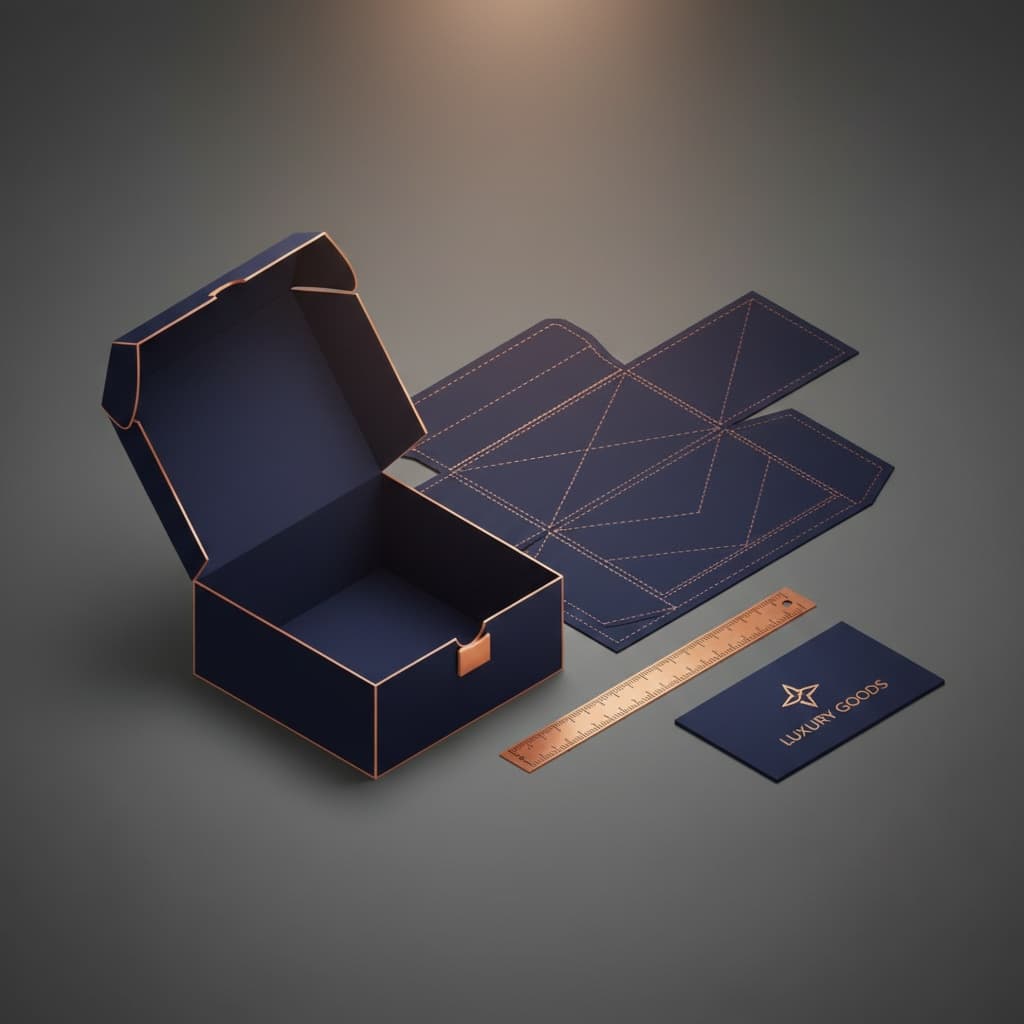
A dieline for Custom Pinch Bottom Paper Bags should show the front face, back face, side folds, bottom seam, fold-over area and safe print zones.
The dieline helps prevent artwork from being hidden by the top fold, label area or lower seam. It also helps the team check whether the printed design suits the final filled bag shape.
Mark the fold-over area
The fold-over area should be clear before artwork is approved. If the bag will use a sticker or label, mark where it will sit.
This prevents logos, product names or key messages from being covered after filling.
Check bottom seam visibility
The bottom seam can affect the lower print area. Avoid placing important design details too close to that seam.
For small bags, keeping the lower area clean can make the pack look more balanced.
Use support before production
The free dieline tool can help prepare sizing and print zones before a quote. For material, print, finish and broader structure choices, the Custom Packly customisation page can help align the bag with the rest of your packaging range.
First Runs and Repeat Product Lines
Custom Pinch Bottom Paper Bags can start with a small product test and scale into regular runs once the fill, fold and print are approved.
MOQ starts from 50, which helps brands test a new flavour, product size, seasonal item, market pack or launch range. Larger runs can support bakeries, cafes, retail products and repeat food packaging needs once the bag performs well.
Test the packed shape first
A first run should test how the filled bag looks after folding. Check whether the product presses into the sides, whether the closure sits flat and whether the logo stays visible.
This matters more for pinch bottom bags than for many carry bags because the final shape depends heavily on the product inside.
Plan variants by fill volume
Different product variants may need different bag sizes. A biscuit pack, coffee sample, tea sample and confectionery portion may use similar branding but different fill volumes.
A size system can help keep the range consistent without forcing one bag to suit every product.
Prepare quote details around the pack
A useful quote should include bag width, height, gusset or fold requirements, product size, fill weight, product count, material preference, print coverage, closure method, quantity, artwork status and likely reorder volume.
If the product is food-related, include whether it is dry, oily, warm, wrapped, boxed or direct contact. This helps the packaging team recommend a safer structure and material direction.
FAQs
Related Packaging Styles
Related Industries
How it works
Simple steps from idea to delivery
Tell Us Your Specs

Tell Us Your Specs
Provide size, quantity, printing, and finishes.
Get a Fast Quote

Get a Fast Quote
Instant transparent pricing, no hidden fees.
Design and Approval

Design and Approval
Artwork checks, revisions, and final sign-off.
Produce

Produce
Expert manufacturing to meet deadlines.
Ship to Your Door

Ship to Your Door
Hassle-free, flexible delivery options.
Start Your Custom Packaging Quote
Share your product details, dimensions, quantity and artwork needs. We’ll help choose the right packaging style and send a clear quote.