Custom Pet Toy Boxes That Preserve Shape and Play Appeal
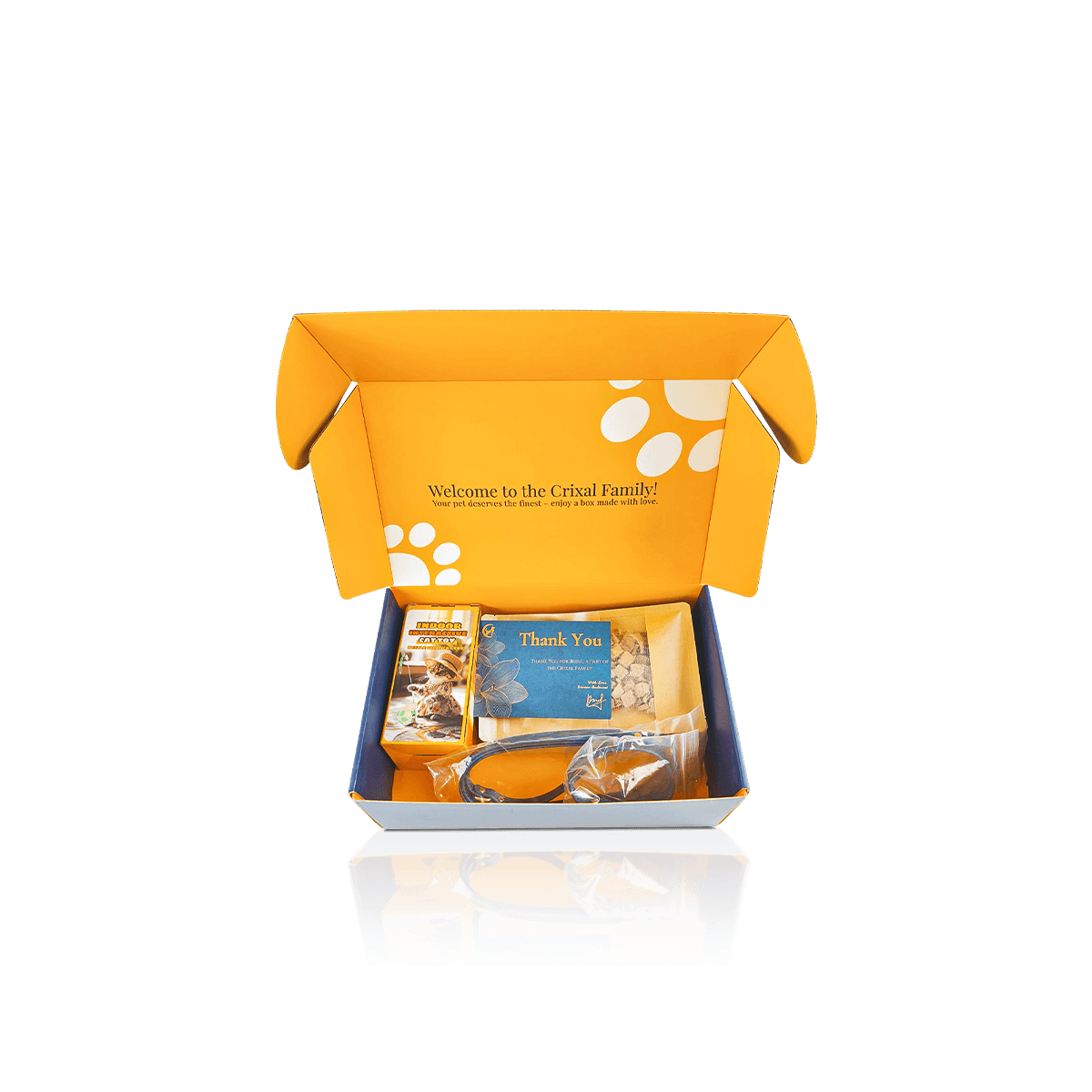
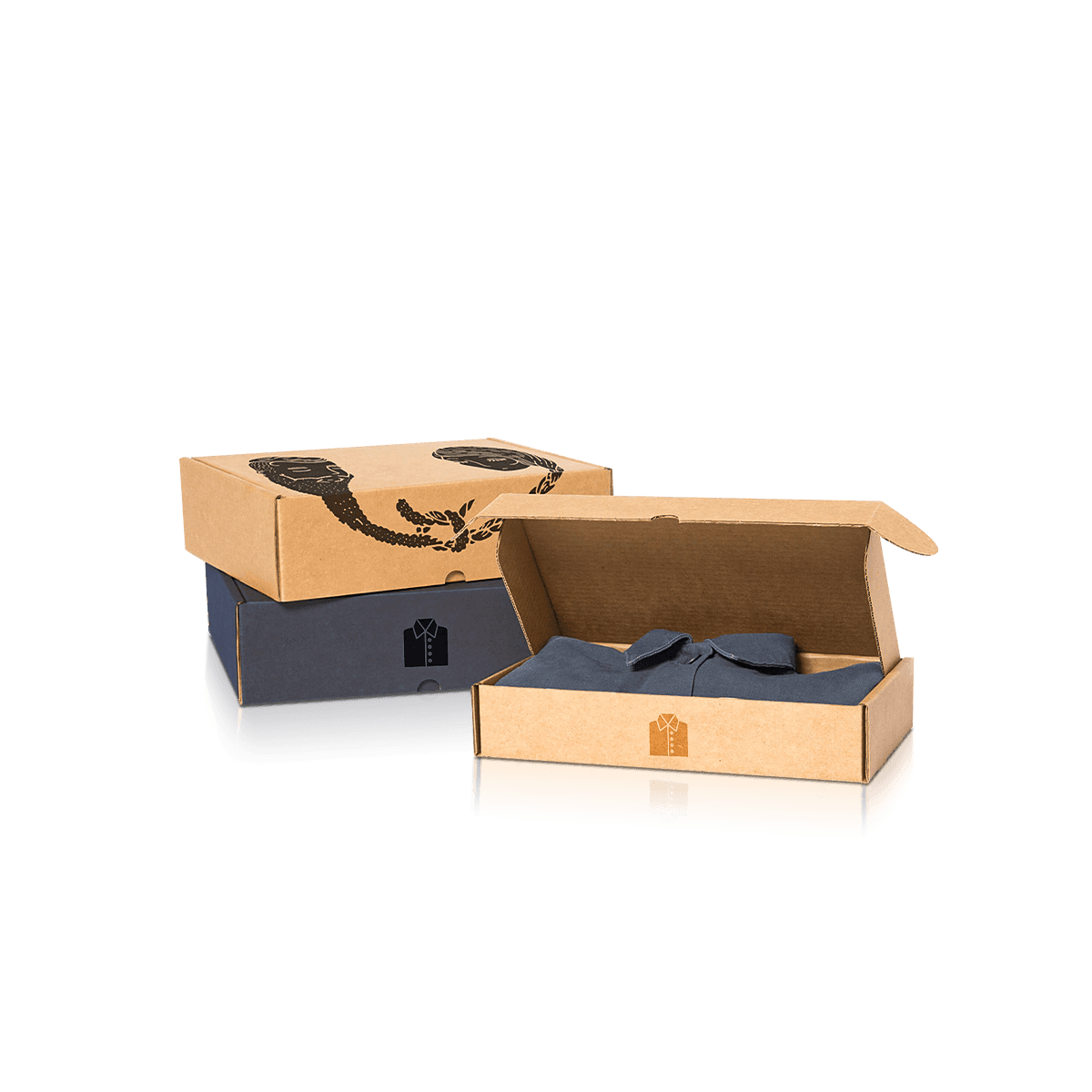
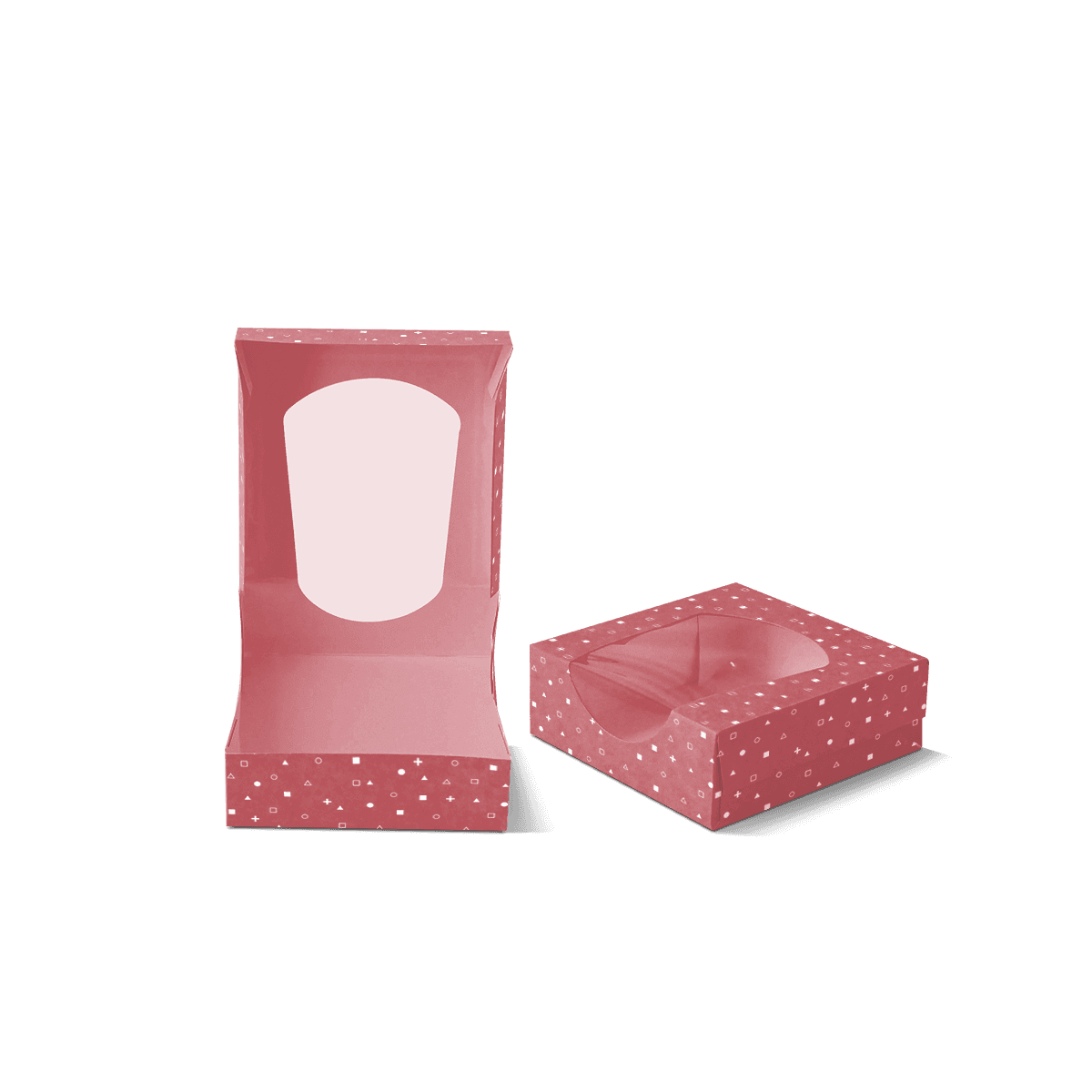
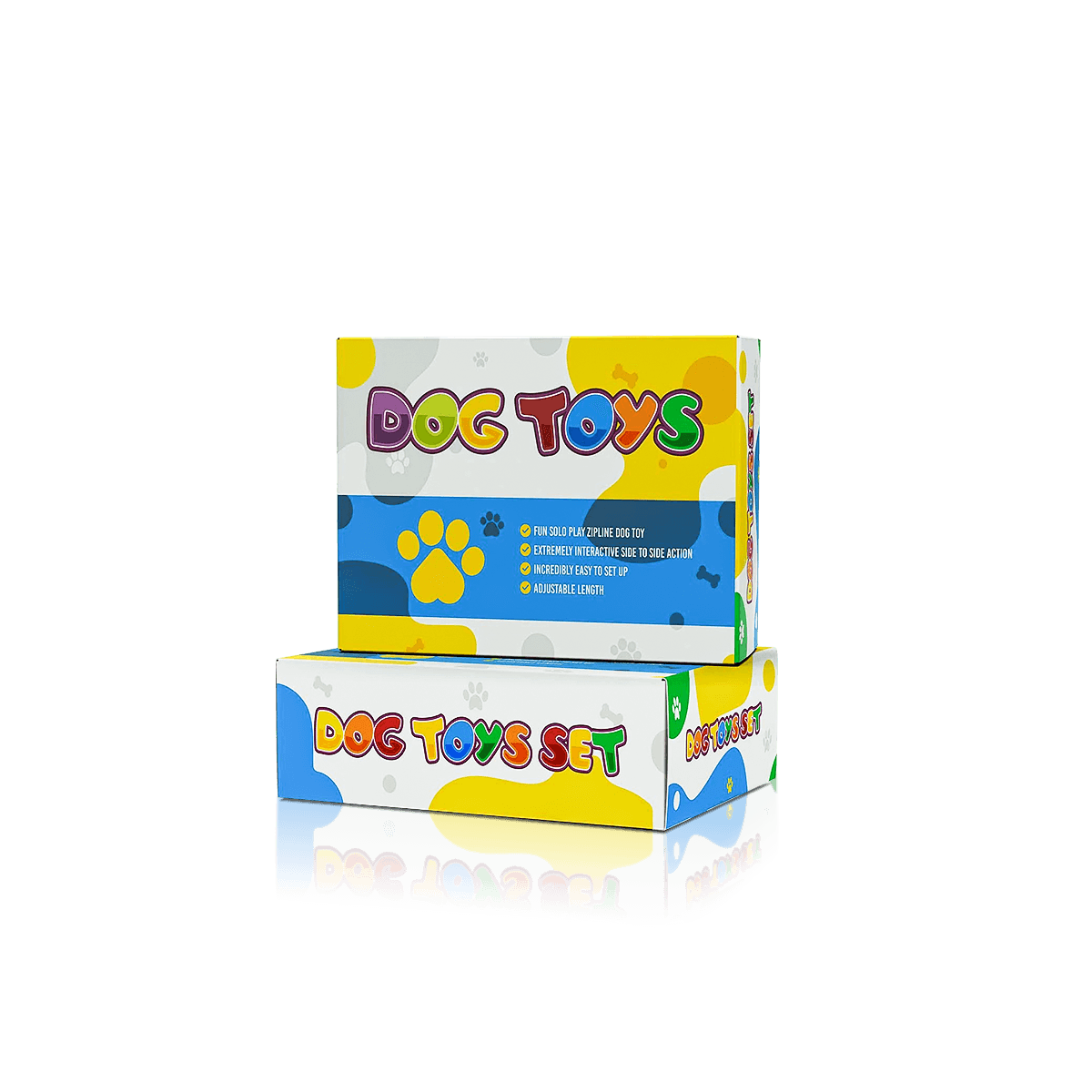
Custom Pet Toy Boxes should hold each toy in a natural position without flattening plush parts, twisting rope ends or forcing rubber shapes against the carton. Start with how the toy should look on a shelf or when an online order is opened, then set the outside dimensions.
A soft toy may need clearance around its face and ears. A tug toy may need a paperboard hold that controls the coil. A puzzle feeder may need more printed space so the play method is easy to understand. Custom Pet Toy Boxes work best when the real toy, its weight and its preferred display position are reviewed together.
The wider Custom Pet Product Packaging line can keep toys, treats and care goods visually linked while each item uses a structure suited to its shape.
Plush and fabric toys
Plush toys can look tired after long compression. Give raised features, ears and stitched faces enough clearance. A shallow tray can keep the main face visible, while side tabs stop the toy from turning without squeezing the fabric.
Rope, tug and braided toys
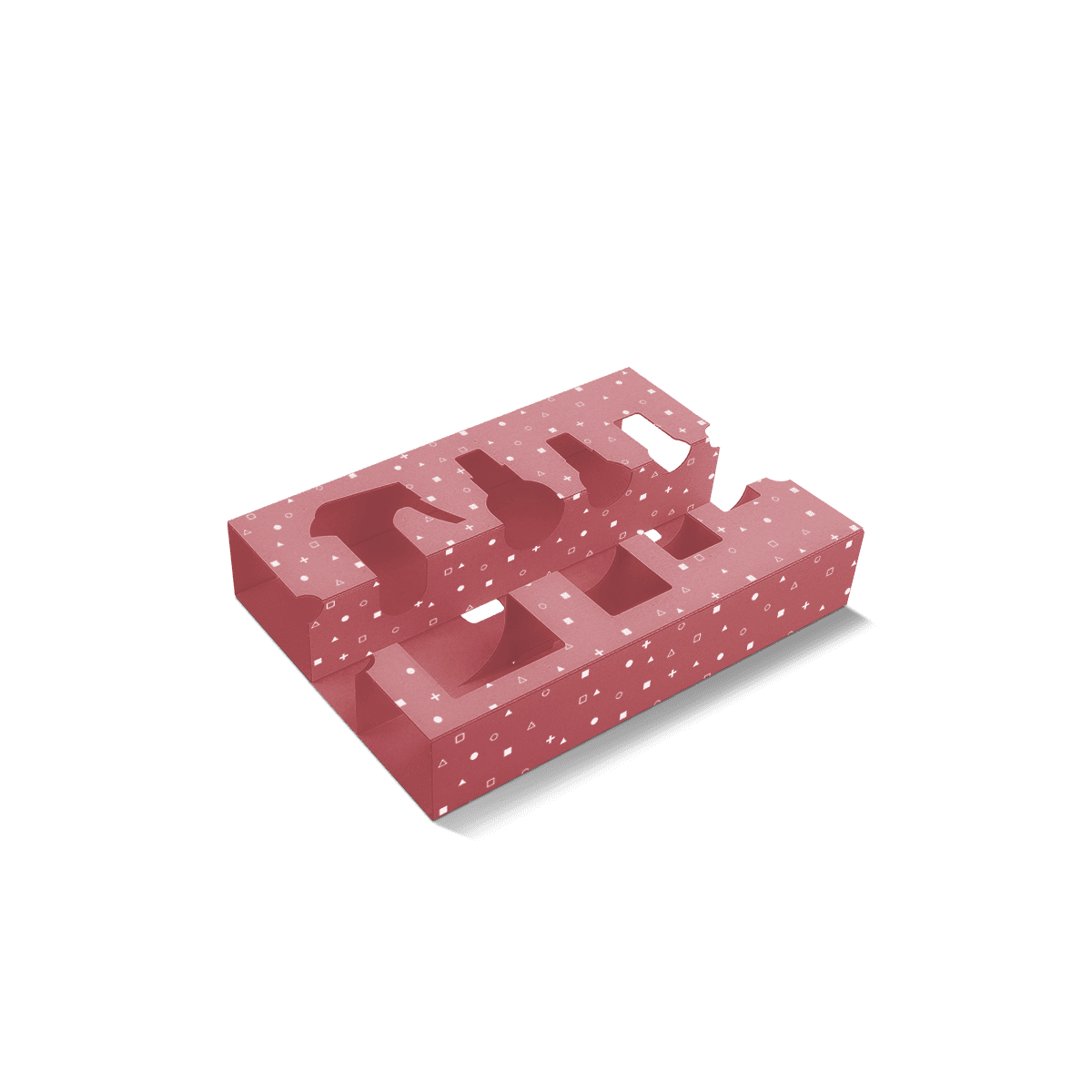
Rope toys can push outwards once coiled. Internal slots, folded tabs or a paper band can control that tension. Keep knots away from windows and tuck flaps so they do not distort Custom Pet Toy Boxes.
Rubber, squeaker and chew toys
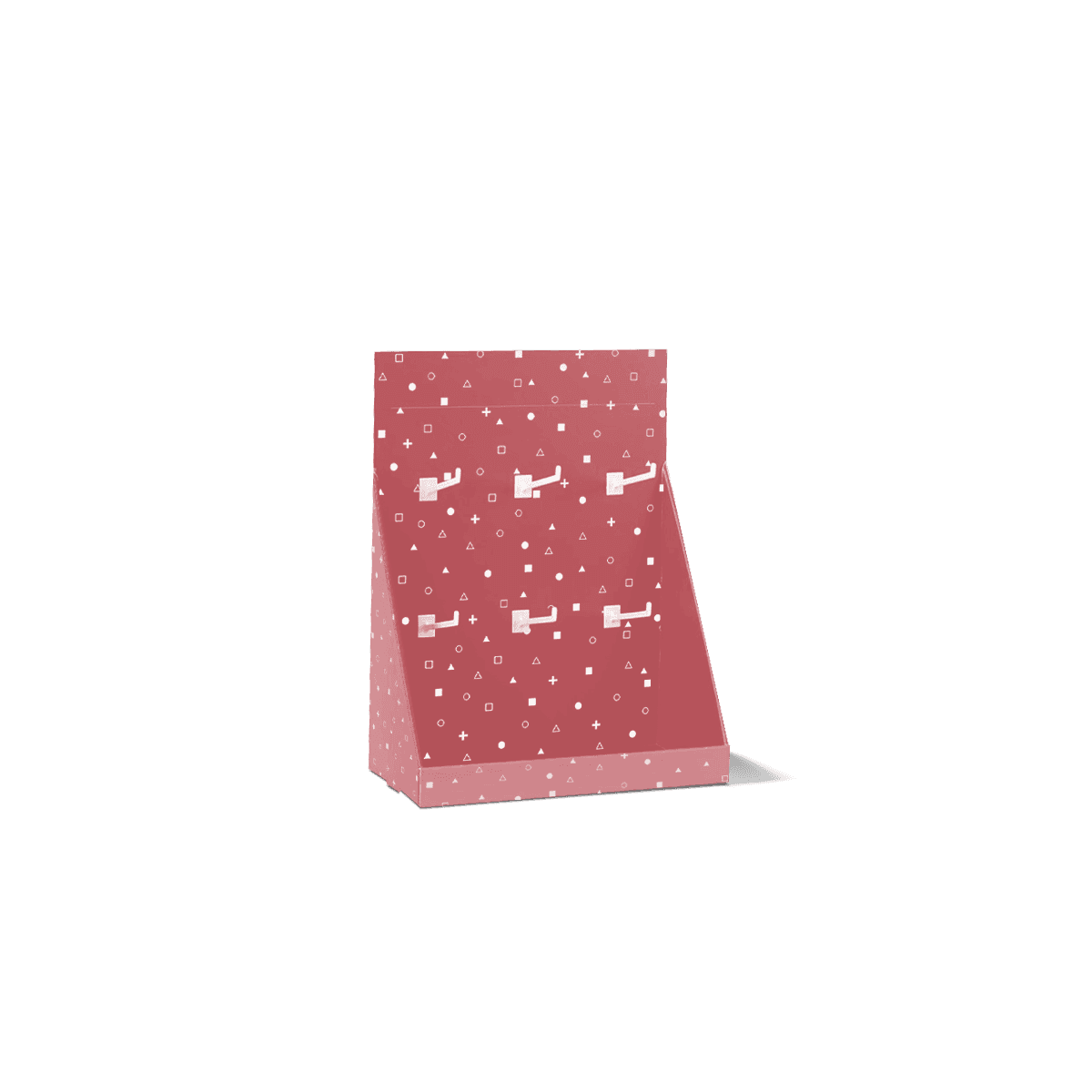
Dense rubber toys may be small but heavy. The base and hanger area must carry the filled weight. Squeaker shapes and raised textures also need room so they are not held under constant pressure.