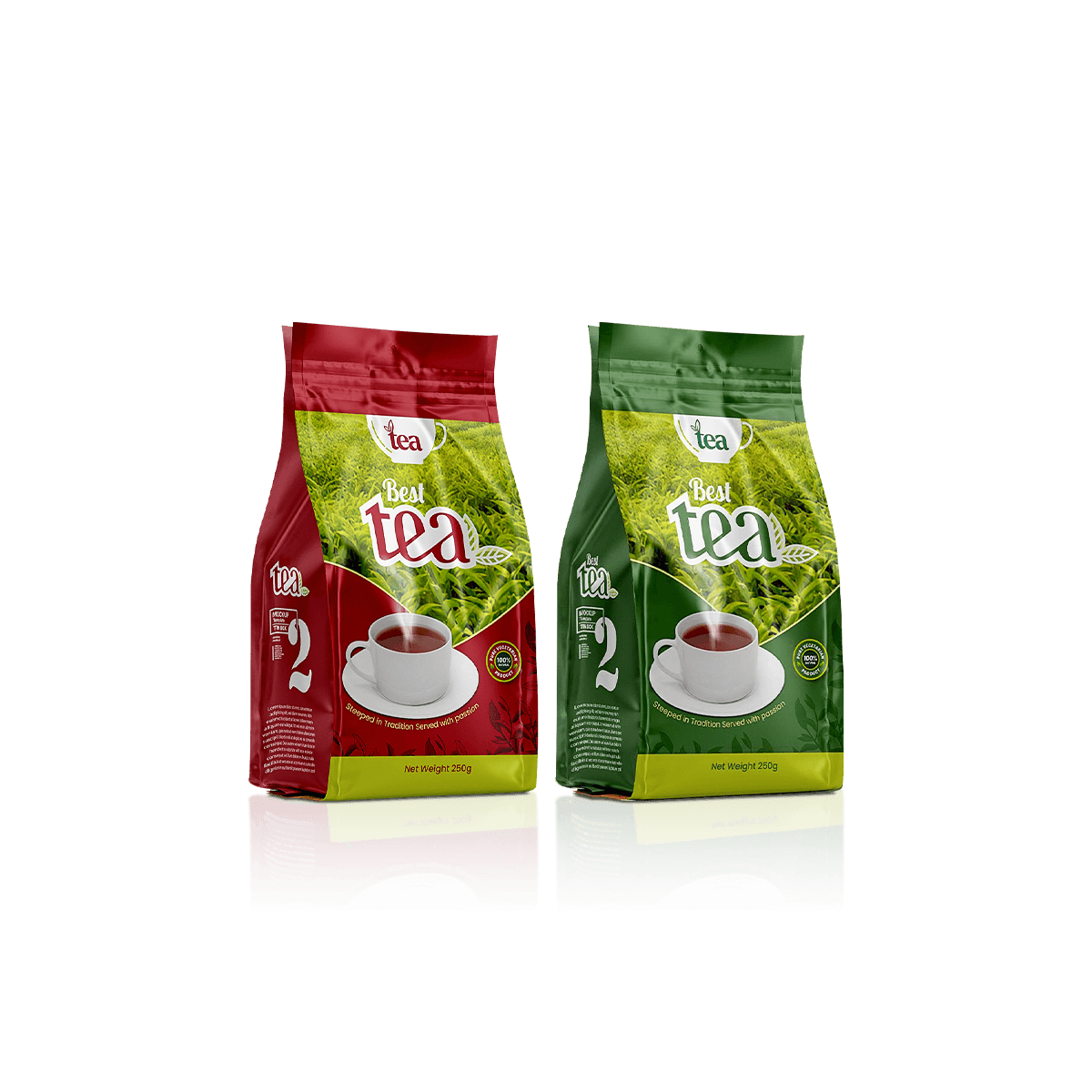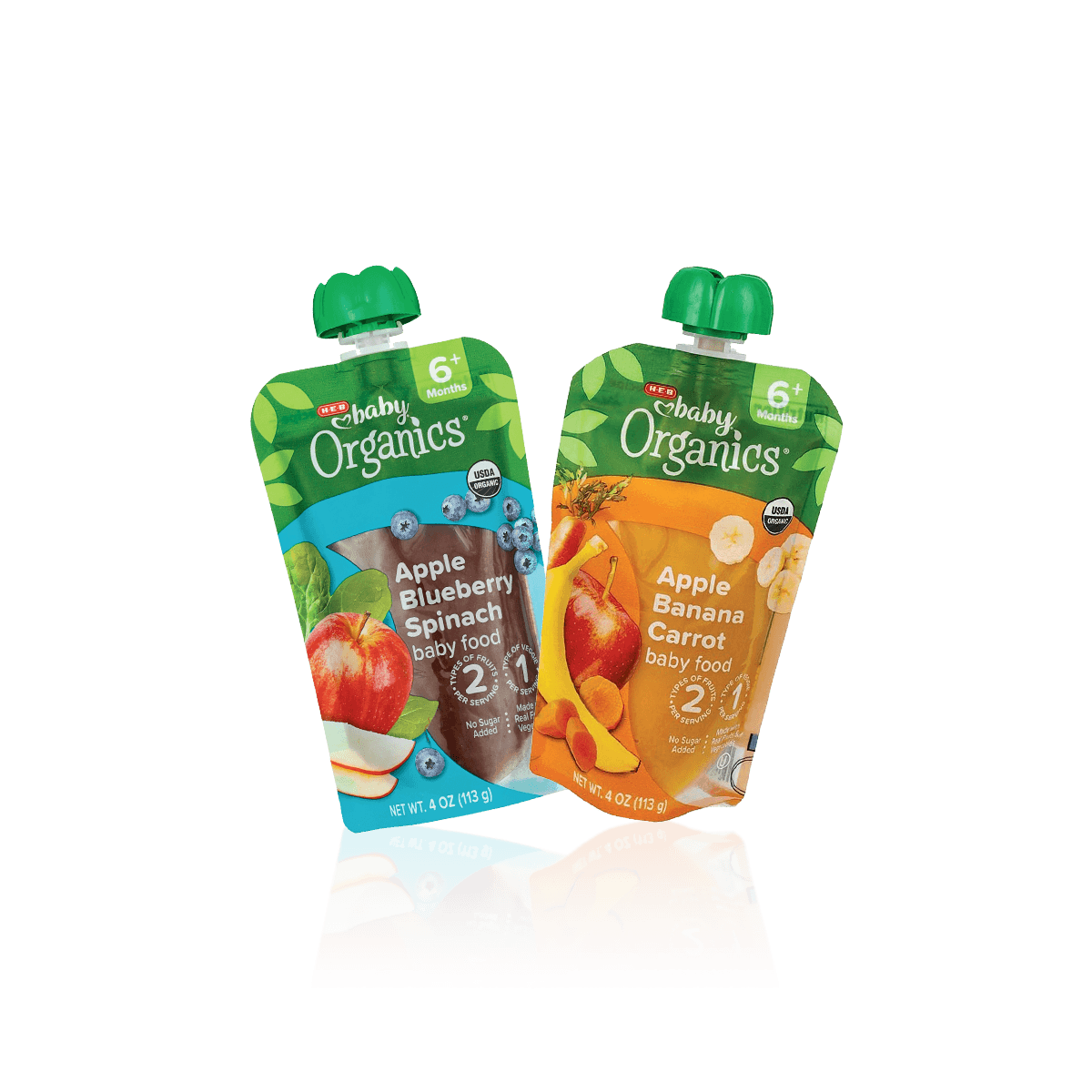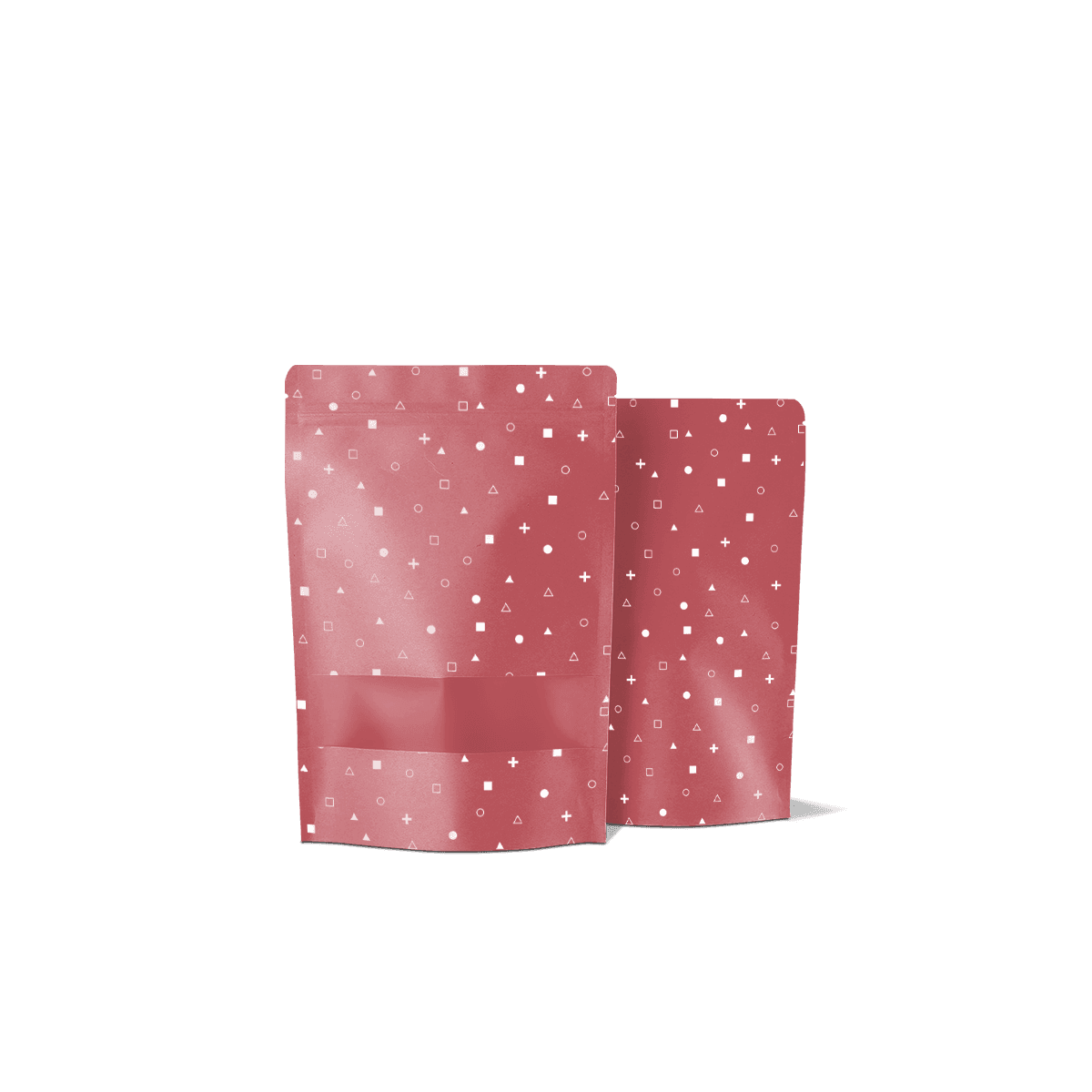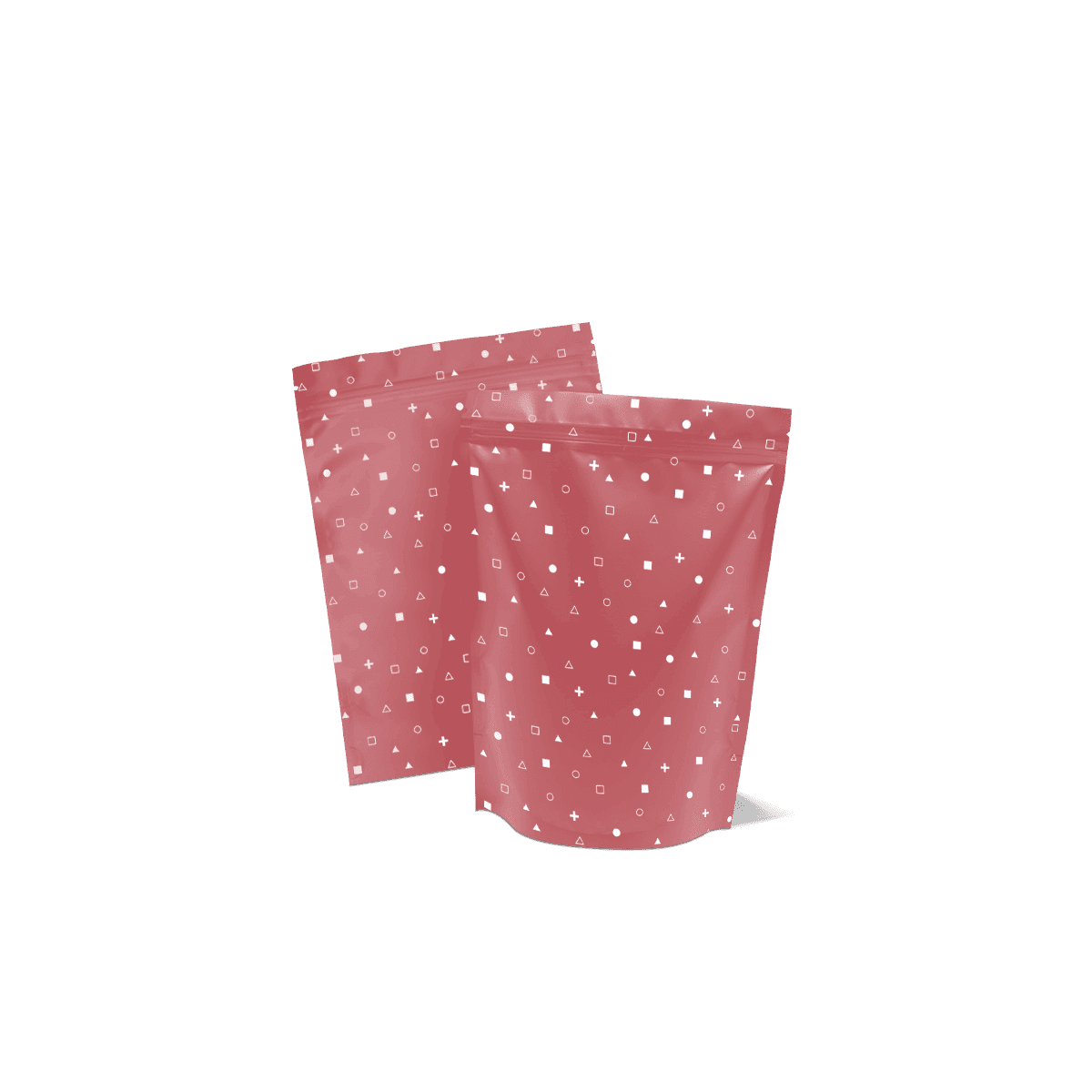
Custom Collagen Pouches
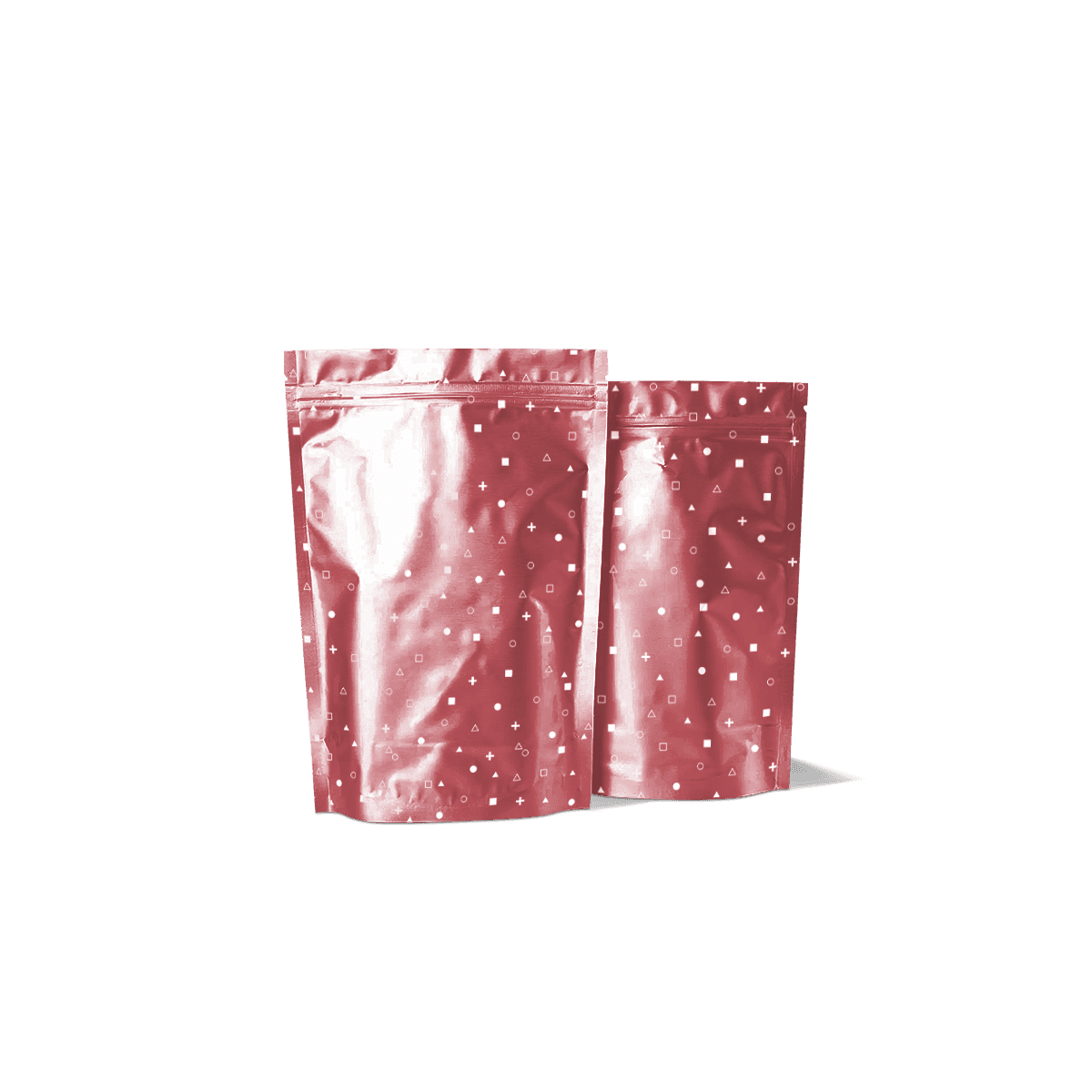
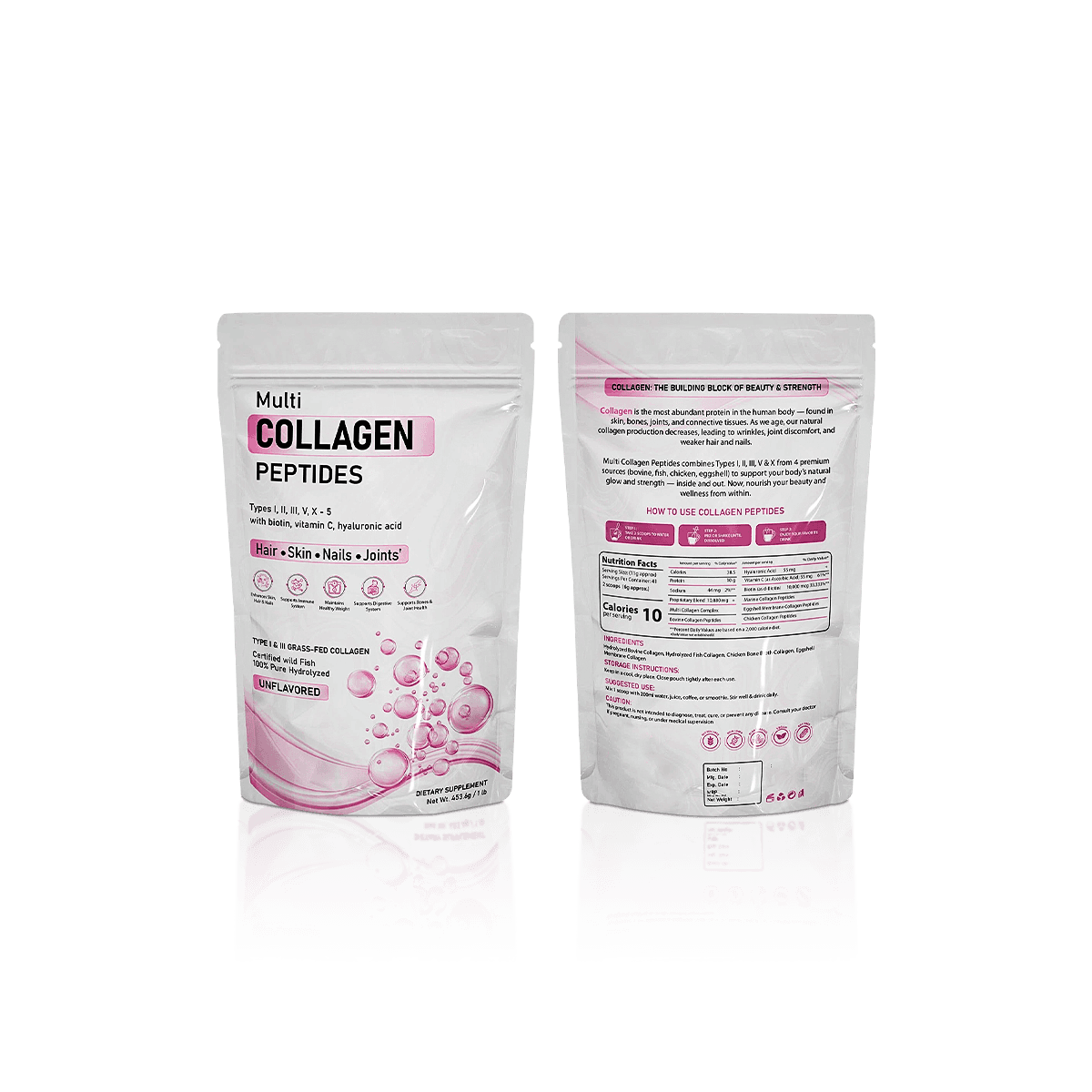
Resealable powder packaging shaped around scoop access, fill behaviour and barrier needs, with clean artwork space for flavours, servings and daily-use instructions.
Free Design Support
Clear Pricing
Flexible Quantities
Unlimited Customization
Premium Materials
Offset Precision
Free Shipping
Quick Turnaround
Custom Collagen Powder Packaging That Stands, Seals and Scoops Cleanly
Custom Collagen Pouches should make fine powder easy to store, open and use each day. The pouch must stand securely when filled, close without trapping powder in the zipper and leave enough room for a scoop or controlled pour.
Collagen may be sold as a full-size powder, a refill, a travel pouch or grouped single serves. Each option needs its own width, gusset, closure and artwork plan. Strong collagen powder packaging starts with the filled product rather than an empty stock pouch.
Brands developing collagen beside vitamins, bars or self-care products can keep their visual system aligned through Custom Wellness Packaging. The pouch can still be shaped around the powder and the way customers use it.
Stand-up pouches for regular use
A bottom gusset creates an upright base and keeps the front visible after opening. This works well for medium and larger fills.
Avoid making the pouch too tall and narrow. A slim shape may look refined but can make scooping awkward near the bottom.
Refill pouches and smaller fills
Flat or lightly gusseted pouches can suit refills, trial sizes and products poured into a jar. The opening should support clean transfer without spilling powder over the container rim.
The refill purpose should be clear in the artwork. Customers should know whether they can store the powder in the pouch or should move it into another container.
Single-serve sachets
Individual sachets can support travel, sampling and daily routines. The width must suit the dose and powder flow, while the tear point should open cleanly.
A printed carton can group sachets when the product needs more shelf presence or information space.
Size the Pouch From Filled Volume
Two collagen blends with the same net weight may occupy different amounts of space. Powder density, particle size, flavour ingredients and settling can change the filled volume.
Size Custom Collagen Pouches from a representative fill test. Weight matters, but it cannot show how the finished pouch will stand, bulge or close.
Check fill height and headspace
Fill a trial pouch to the intended weight and settle the powder as it would move during handling. Then confirm the room needed above it.
Too little headspace can push powder into the zipper and top seal. Too much can make the product look underfilled.
Allow room for the scoop
The mouth should suit the scoop bowl and the customer’s hand. Also check the handle length. If the scoop stays inside, it must sit below the zipper without blocking closure.
Custom Stand Up Pouches can be shaped around filled depth, scoop access and standing stability rather than a stock size.
Balance gusset depth and shelf stability
A wider bottom gusset may improve stability, but it changes the front panel once filled. Test the pouch on a shelf or bench with the real powder inside.
The base should open evenly without stretching the lower corners or pulling the artwork out of shape.
Make Repeated Opening Easy and Clean
Collagen powder is often used over several weeks, so the closure affects the product experience long after purchase. The pouch should open neatly and reseal without constant cleaning.
Keep powder away from the zipper
Fine powder can settle into zipper tracks. Leave enough space between the fill line and closure so the pouch can be pressed shut after each use.
The zipper should sit below the tear line but high enough to preserve useful headspace.
Position the tear notch carefully
The tear notch should direct the opening above the zipper. If it sits too close, an uneven tear may damage the reseal.
Keep logos, serving details and instructions clear of the tear path.
Test refill pouring
A refill pouch may be poured into a canister rather than scooped. Test the opening with the actual blend. Fine unflavoured collagen may flow differently from a coarse flavoured powder.
Custom Collagen Pouches for refills should transfer cleanly without requiring customers to cut a much larger opening.
Match the Material to the Powder Brief
The material for Custom Collagen Pouches should follow the product’s exposure needs, storage period and filling process. The brand or manufacturer should confirm the required protection from moisture, oxygen, aroma and light before approval.
Treat film, zipper and seals as one structure
An unflavoured powder may need a different structure from a blend containing flavours or other ingredients. Do not select material by surface appearance alone.
The film layers, side seals, top seal and zipper must work together. Custom Pouches and Flexible Packaging can cover stand-up, flat and heat-sealed options around the product brief.
Keep powder out of the seal area
Powder dust in the seal area can interfere with a clean closure. Leave enough top space for the filling method and heat-seal zone.
Print should also stay within safe areas so key artwork does not enter the zipper, seal or gusset folds.
Check environmental claims against the final structure
Recyclable, mono-material and other lower-impact options may be considered where they meet the product’s barrier and closure needs. Confirm the final material and local recovery pathway before printing a claim.
Customisation can align film structure, finish, zipper choice and print coverage before artwork approval.
Organise Product Information Without Crowding
Custom Collagen Pouches may need a product name, source, flavour, net weight, serving details, directions, ingredients, warnings, barcode and company information. Each item needs a planned position.
The brand remains responsible for supplying and approving required wording. The artwork should leave enough room for clear text rather than squeezing it into the last available space.
Give the front one clear hierarchy
Lead with the brand and product name. Source, flavour, serving count or another key difference can follow at a smaller level.
Avoid turning every feature into a badge. Too many icons and claims can weaken the main message.
Use the back as a calm reading area
Place longer copy on a simple background with strong contrast. The zipper, seals and gusset folds reduce the usable print area, so account for them before final layout.
Leave comfortable spacing between directions, ingredients and other approved text.
Reserve a coding zone
Batch, lot or date details may be added after the main print. Set aside a plain area that suits the chosen coding method.
Avoid heavy graphics or finishes in that zone unless they have been tested for coding.
Choose Full-Size, Refill or Daily-Serve Pouches
The intended use should decide the pouch type. A large resealable pouch, refill and single-serve sachet should not share one specification by default.
Full-size powder pouches
A larger pouch needs a stable base, wide opening and closure that tolerates repeated handling. The front should remain readable as the powder level drops.
A matte or gloss surface can change presentation. Print finishes should not interfere with key text, coding or the seal area.
Refill pouches
Refills may use less storage space than rigid containers before filling and delivery. Their opening should pour neatly into the intended jar or canister.
Clearly state the refill role and any approved storage directions. The pouch still needs suitable protection before transfer.
Daily sachets
Single serves can support travel, trial use and measured routines. They need a clean tear and enough width for the powder to empty without collecting in a narrow corner.
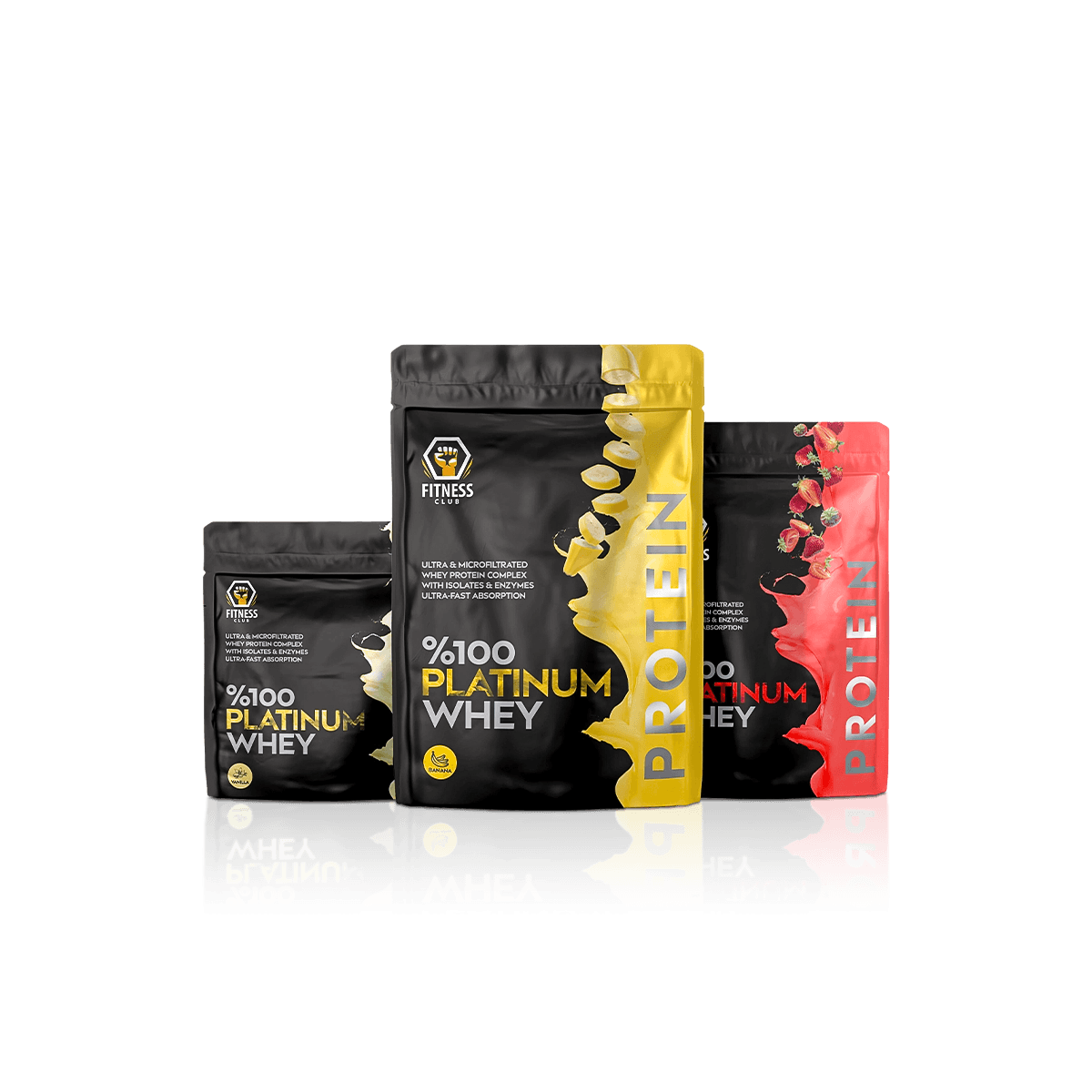
A carton or display box can group sachets. Custom Protein Powder Pouches may share visual rules with collagen products, but each powder needs its own fill and opening test.
Prepare the Pouches for Shelves and Delivery
Custom Collagen Pouches can reduce empty space, but they can still crease, puncture or lean when the dimensions are wrong. Filled testing shows how the pouch performs in retail and ecommerce use.
Keep the front panel upright
A stand-up pouch needs enough base depth and filled weight to remain stable. Test several filled units together rather than approving one empty sample.
Check whether the front stays visible and whether the bottom corners sit flat.
Protect sealed edges in transit
Do not compress pouches so tightly that the zipper or side seals carry constant pressure. Heavy products should not sit directly on them in mixed orders.
A close-fitting outer carton can limit movement without crushing the gusset or wrinkling the front.
Present collagen in gift sets
A pouch may be paired with a scoop, shaker, canister or another wellness item. A fitted box can organise the items and prevent surface rubbing.
The pouch should lift out without catching its gusset or creasing the printed face.
Keep Flavours and Fill Sizes Consistent
Fix the logo position, product name area, information zones and coding space before adding more flavours or fill sizes. Controlled rules make future artwork faster to review.
Colour can separate unflavoured, berry, citrus or marine variants, but printed names should remain clear. Do not rely on colour alone.
A practical three-product example
Consider a brand preparing a 300 g unflavoured pouch, a 250 g flavoured pouch and a carton of 30 sachets. All three can share typography, colour logic and front-panel hierarchy.
They should not share one pouch size merely for appearance. The flavoured blend may occupy more volume, while the sachets need a separate shape and grouped carton.
Plan later orders from approved specifications
Record the finished width, height, gusset, zipper position, seal margins, print files and colour references for each product.
MOQ starts from 50 for suitable initial orders. Custom Packly also supports thousands of units and ongoing supply. Suitable work may move through local production in 4 to 6 days after final approval, subject to the chosen specification and schedule.
Quote From the Filling Details
An accurate quote needs the real fill, closure and print requirements. Net weight and a logo file alone do not show how the pouch must perform.
Send:
- Collagen type and intended pouch use
- Net weight and representative filled volume
- Full-size, refill or single-serve requirement
- Preferred width, height and gusset
- Zipper, tear notch and top-seal needs
- Scoop dimensions and storage position
- Barrier needs confirmed by the product team
- Quantity for each flavour, source or fill size
- Front, back and gusset print requirements
- Coding area and artwork status
- Retail, ecommerce, subscription or gifting use
- Target date and delivery postcode
A 3D mockup can review artwork placement, seal margins and overall proportions. A physical sample may be worthwhile when scoop access, unusual powder flow, a special closure or complex filling needs closer testing.
Send the completed brief through Get a Quote. Custom Packly can assess the pouch size, print plan and production needs without relying on a generic stock estimate.
FAQs
Related Industries
Related Packaging Styles
How it works
Simple steps from idea to delivery
Tell Us Your Specs

Tell Us Your Specs
Provide size, quantity, printing, and finishes.
Get a Fast Quote

Get a Fast Quote
Instant transparent pricing, no hidden fees.
Design and Approval

Design and Approval
Artwork checks, revisions, and final sign-off.
Produce

Produce
Expert manufacturing to meet deadlines.
Ship to Your Door

Ship to Your Door
Hassle-free, flexible delivery options.
Start Your Custom Packaging Quote
Share your product details, dimensions, quantity and artwork needs. We’ll help choose the right packaging style and send a clear quote.