Custom Packaging Sleeves
Flexible printed sleeves for boxes, trays and product packs that need cleaner branding, easier range updates and better shelf presentation.
Free Design Support
Clear Pricing
Flexible Quantities
Unlimited Customization
Premium Materials
Offset Precision
Free Shipping
Quick Turnaround
A Flexible Sleeve Layer for Branded Packaging
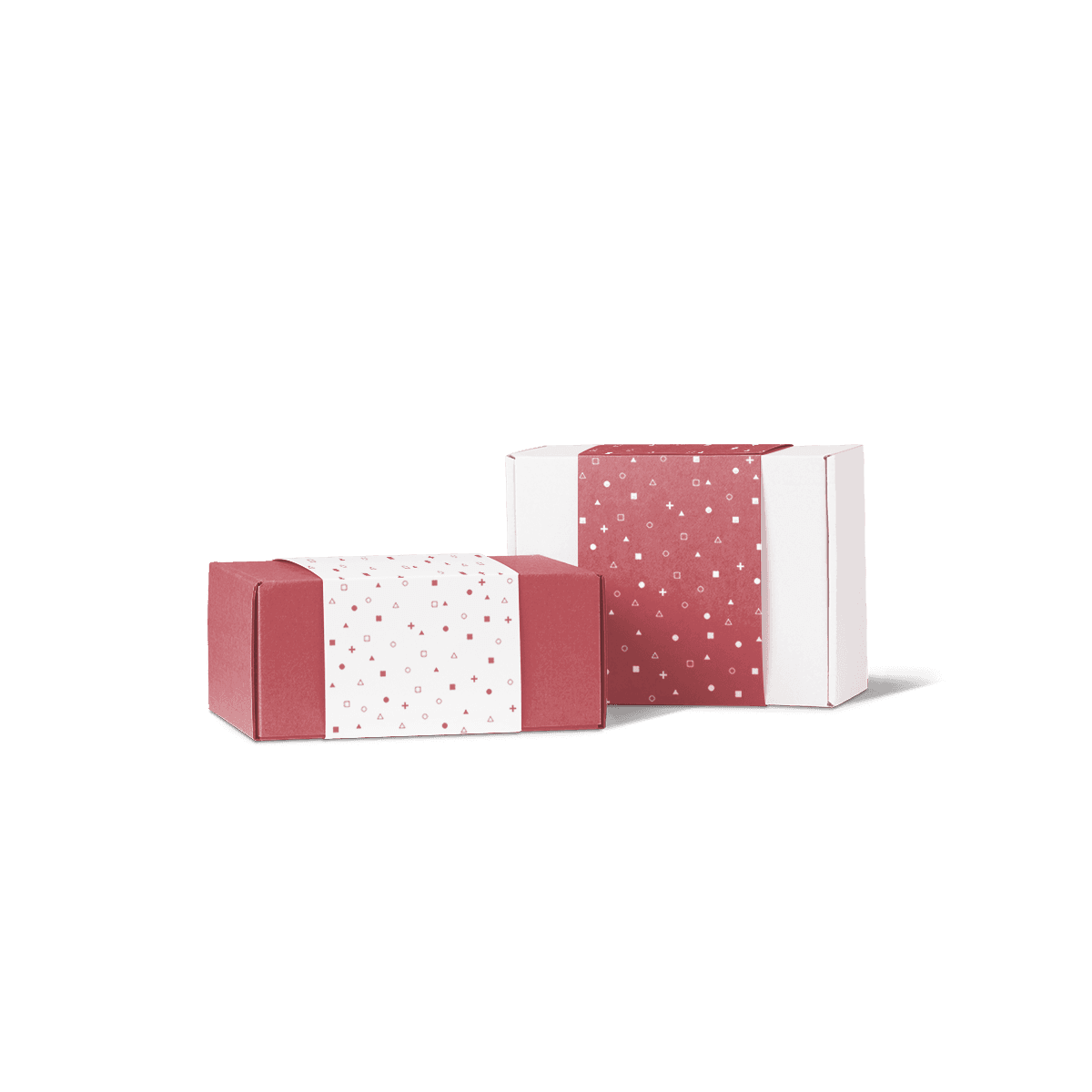
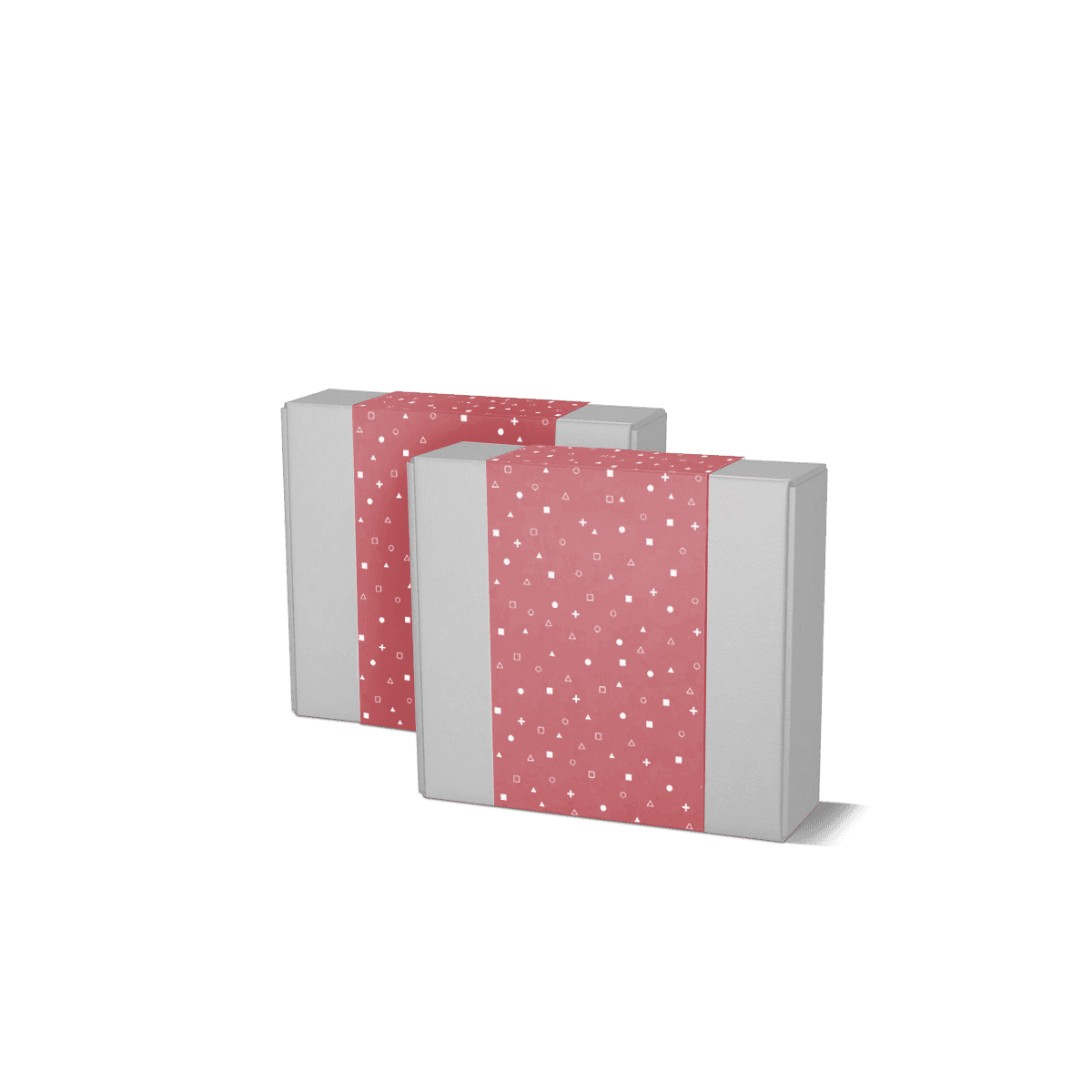
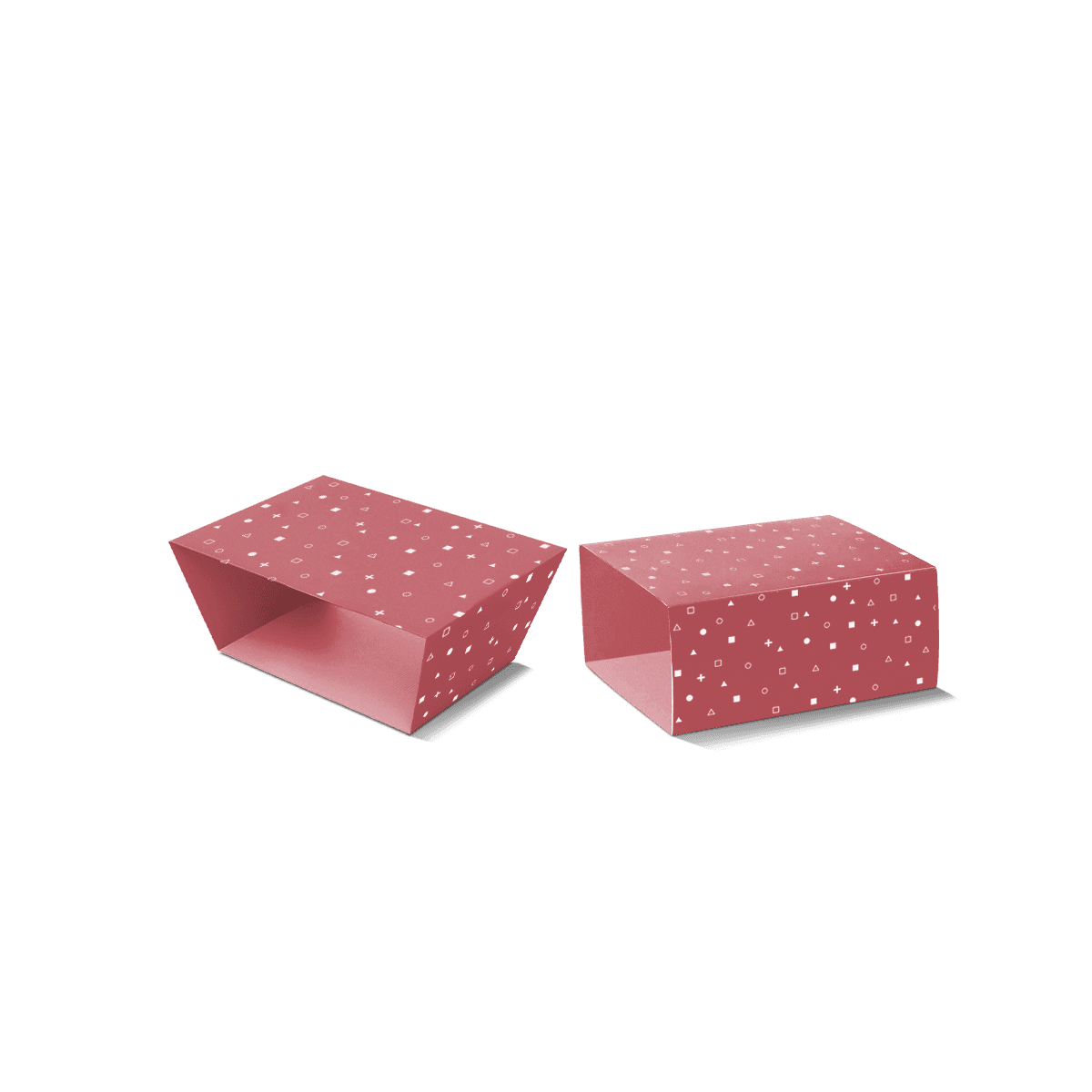
Custom Packaging Sleeves are printed wraparound panels used to brand, label or upgrade existing packaging without changing the full box, tray or product pack. They slide or wrap around the base pack and give the product a cleaner front face, clearer information and a more finished look.
This style works well when the base packaging already does its job. The box protects the product. The tray holds the item. The wrap keeps everything neat. The sleeve then adds the brand layer, product detail, campaign message or SKU difference.
Custom Packaging Sleeves are useful for ecommerce kits, retail boxes, food trays, beauty products, wellness sets, stationery, apparel bundles and gift packs. They can be narrow, wide, flat, pre-glued, kraft, white, cardboard or full-colour printed depending on the product and packing process.
The main benefit is range flexibility. A brand can keep one base pack and change the sleeve for flavours, scents, colours, sizes, product launches or seasonal offers. That makes packaging easier to manage while still giving each product a polished customer-facing finish.

When a Sleeve Is the Right Packaging Move
Custom Packaging Sleeves make sense when the product needs stronger presentation but not a completely new structure. They are not meant to replace strong packaging. They are meant to improve the way a good base pack looks, reads and sells.
The base pack already fits
A sleeve is a smart choice when the box, tray or container already fits the product well. The sleeve adds branding and product information while the base pack keeps doing the structural work.
This is useful for plain kraft boxes, white cartons, rigid boxes, food trays, soap boxes, candle boxes, product kits and ecommerce packs that need a better branded face.
The product range changes often
Sleeves are helpful when products share one pack size but need different artwork. A tea brand can change flavour sleeves. A candle brand can change scent sleeves. A beauty brand can use different colour sleeves for different formulas.
This avoids making a separate full box for every product variant when the structure does not need to change.
The launch needs speed and control
A sleeve can support product launches, seasonal campaigns and limited runs because the printed layer changes faster than the main pack. A 3D mockup is usually enough for standard sleeve approval when the size, wrap direction and artwork are clear.
Physical samples are better reserved for unusual fit, tight sleeve tension, complex structures or premium finish checks.
Coverage Choices That Change the Look
Custom Packaging Sleeves can cover a small centre strip, most of the pack or a full wrap area. The right coverage depends on how much product should remain visible and how much information the sleeve must carry.
Narrow coverage for light branding
A narrow sleeve or band gives the product a simple brand mark without hiding the base packaging. It works well for soap, folded apparel, stationery, small boxes, food packs and handmade products.
This approach is useful when the product material or box finish should stay visible. The sleeve acts like a clean label and light holding wrap.
Medium coverage for product information
A medium-width sleeve gives more room for product names, variant details, barcodes, QR codes, ingredients or short usage notes. It suits retail products that need both branding and practical information.
This format works well for beauty, wellness, confectionery, tea, candles, gift sets and boxed retail items.
Wide coverage for stronger shelf impact
A wider sleeve creates a more obvious branded surface while still avoiding a full printed box. It can make a plain box or tray look more retail-ready and give the front panel enough space for stronger artwork.
When the sleeve needs to cover most of the box, Custom Box Sleeves may be the most specific structure.
Fit Before Graphics
Custom Packaging Sleeves only look premium when the fit is right. The artwork can be sharp, but the sleeve will still feel wrong if it slips, twists, bows or catches on corners.
Measure the finished pack
The sleeve should be measured around the finished product or packed box. Empty boxes and flat dielines do not always show the real outside size. Product weight, inserts, folded items, lid pressure and closure style can change the final shape.
Measure the pack as the customer will receive it. This gives the sleeve a better chance of fitting cleanly.
Plan the wrap direction
A sleeve can wrap left to right, top to bottom or around a specific face of the pack. The wrap direction affects where the front panel sits, where the overlap lands and how the customer opens the product.
For retail packs, the front panel should face the customer. For ecommerce packs, the sleeve may need to support unboxing. For food packs, the sleeve may need to stay clear of opening points and service areas.
Set the right tension
The sleeve should feel secure without fighting the product. A loose sleeve can shift during handling. A tight sleeve can crush corners, mark the box or slow packing.
For most standard sleeves, a 3D mockup helps check artwork position and visual balance. A physical fit check is useful when the product shape, stock friction or closure tension could create problems.
Sleeve Styles for Different Packaging Jobs
Custom Packaging Sleeves can be adapted to different base packs. The best option depends on whether the sleeve is meant to label, hold, decorate or complete the pack.
Box-focused sleeves
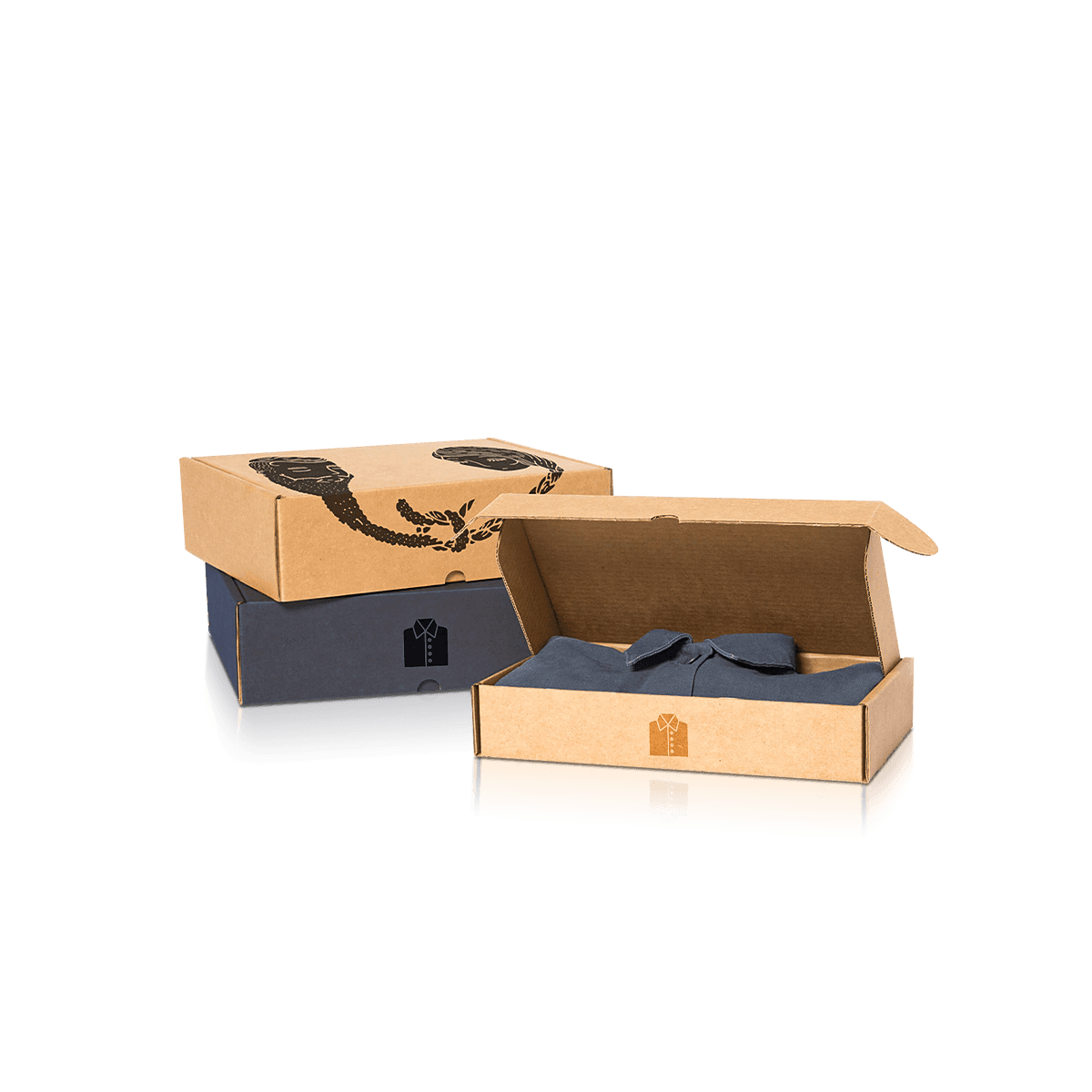
Box sleeves wrap around mailer boxes, rigid boxes, tuck boxes, gift boxes and cartons. They are useful when the box is plain but the product needs a branded outer face.
A box-focused sleeve can also help hold a lid and base together or show product details without printing every box panel.
Tray and sleeve systems
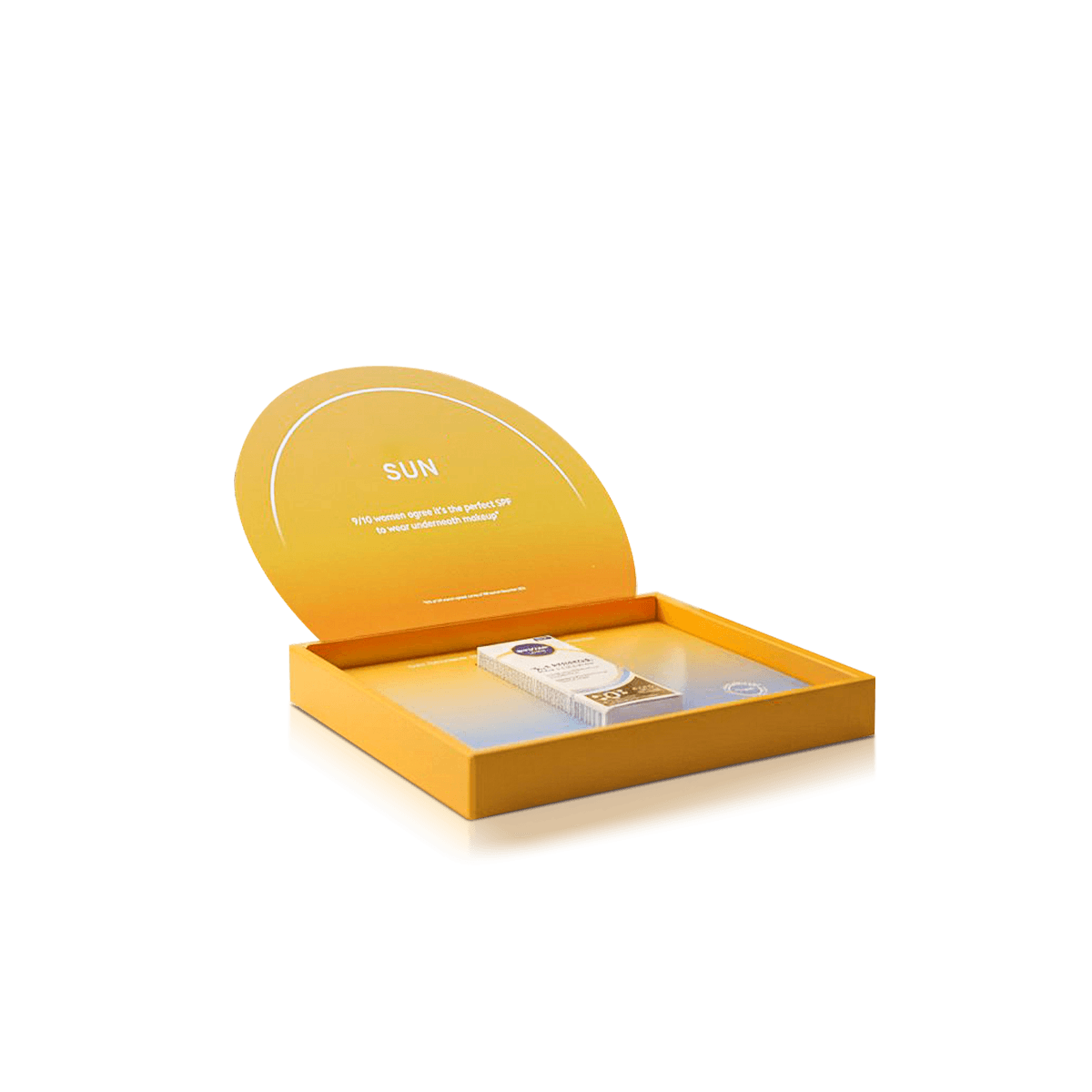
Some products need a tray and outer sleeve working together. In that case, Custom Tray and Sleeve Boxes are the better option because the sleeve is part of the complete packaging structure.
This format suits premium sets, product kits, beauty items, accessories and products that benefit from a sliding reveal.
Product wraps and bands
A product wrap or belly-style sleeve can sit around a loose product, bundle or simple pack. It is useful for folded apparel, soap, stationery, paper goods, small trays and gift sets.
This format is lighter than a full sleeve and works best when the product should stay partly visible.
Materials That Match the Base Pack
The material affects how the sleeve folds, slides, prints and feels in hand. A sleeve should match the pack it wraps and the customer experience the brand wants.
White paperboard for clean colour
White paperboard suits Custom Packaging Sleeves that need bright colour, sharp text and strong product images. It works well for beauty, wellness, retail, food gifting, stationery and premium sample packs.
It gives the most predictable base for full-colour print and helps small product details stay clear.
Kraft for a natural finish
Kraft sleeves create a warmer, more organic look. They suit handmade products, soaps, candles, tea, bakery goods, natural skincare and craft-led retail ranges.
Kraft changes how colours appear, so artwork should use strong contrast, simple graphics and clear type.
Cardboard for firmer handling
Cardboard sleeves suit larger packs, gift boxes and products handled often in retail or fulfilment. A heavier board can hold the sleeve shape better and reduce bending.
For stronger stock and more structured panel support, Custom Cardboard Sleeves can be a better fit than a lighter sleeve.
Print Space With a Clear Job
Custom Packaging Sleeves have limited print space compared with a full box, so each panel should be planned carefully. The front should sell. The sides should guide. The back should inform.
Front panel for product recognition
The front panel should show the brand, product name and the strongest visual cue. That could be flavour, scent, colour, size, product type or campaign theme.
A clean front panel often works better than a crowded design. Customers should understand the product quickly.
Side panels for range navigation
Side panels can carry product variants, size labels, shade names, scent groups, short icons or collection details. This helps with shelf display and storage.
For product ranges, consistent side panel rules make the packaging easier for staff and customers to read.
Back panel for detail
The back panel can carry barcode, QR code, ingredients, care notes, recycling marks, usage guidance or product claims. Keep small text away from folds, overlaps and sealing areas.
A good sleeve does not hide important information in the glue zone or place barcodes across a curved edge.
Finishes That Suit Sleeve Packaging
Finishes can make Custom Packaging Sleeves feel more premium, but they should support the sleeve’s purpose. Since sleeves have less space than full boxes, one focused finish usually works best.
Matte finishes suit calm, premium and natural product ranges. Gloss helps brighter colours stand out. Foil can highlight a logo, limited-edition mark or product name. Embossing and debossing add tactile detail to simple sleeve designs. Spot UV can bring attention to patterns, icons or short text.
The finish should match the base pack. A kraft sleeve may look best with dark ink and simple foil. A white paperboard sleeve may suit stronger colour and more detailed artwork. A retail sleeve may need scuff resistance if it will be handled often.
If the pack needs a broad print-led sleeve system, Custom Printed Packaging Sleeves can support more artwork-focused sleeve projects.
Sleeves Across Retail, Food and Beauty Packs
Custom Packaging Sleeves are useful because they can work across many product categories. The use case changes, but the goal stays similar: make the product easier to recognise, hold, display or sell.
Retail product packs
Retail products need quick identification. Sleeves can carry product names, barcodes, colour codes and campaign labels while keeping the base pack consistent.
This works well for accessories, stationery, apparel, homewares, gifts and product sets.
Food and bakery packs
Food brands can use sleeves around trays, boxes and outer containers to add flavour names, ingredients, brand details or serving cues. The sleeve should suit the pack’s handling, moisture and product contact needs.
For food-first projects, Custom Food Packaging Sleeves can focus more directly on takeaway, bakery and food-service use.
Beauty and wellness packs
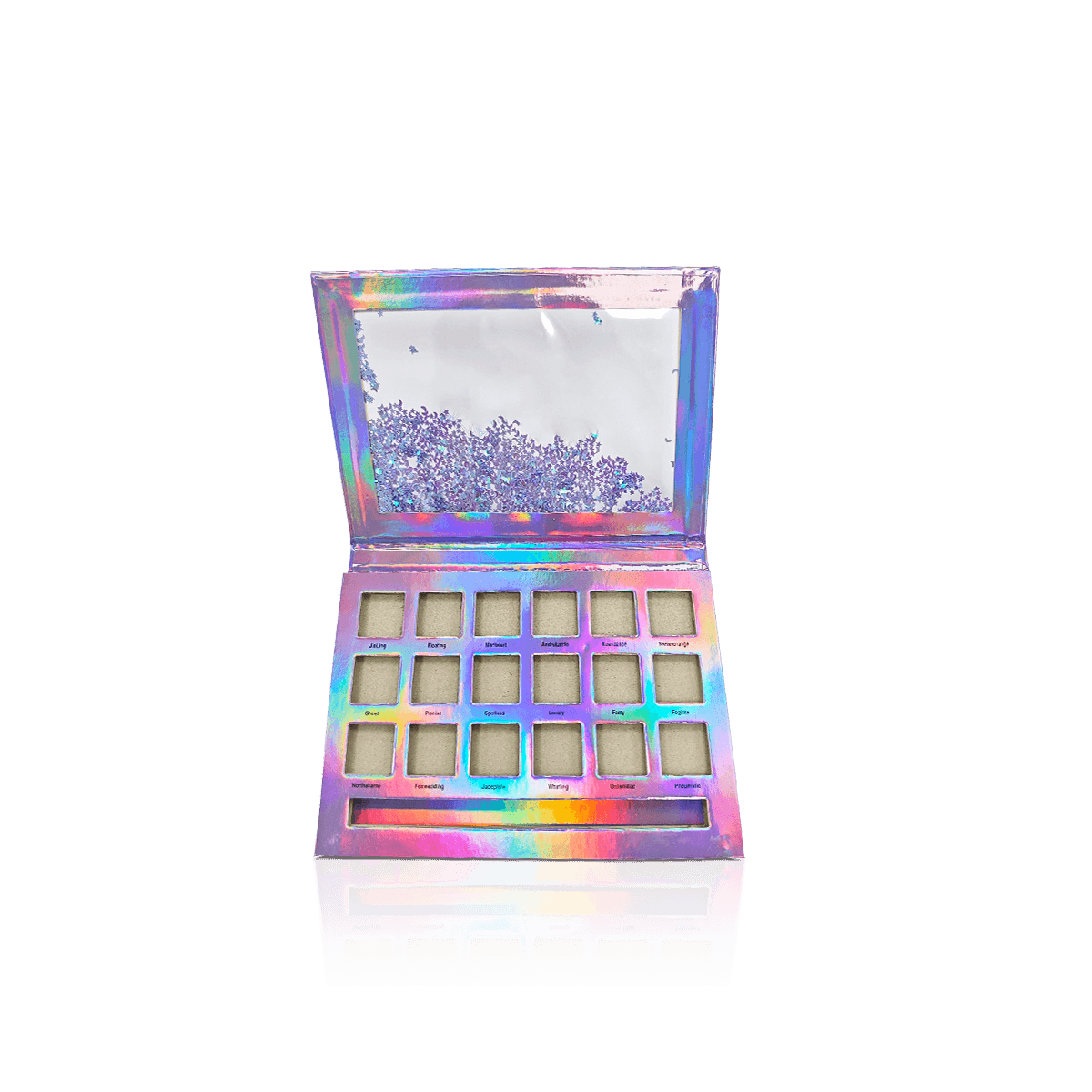
Beauty and wellness brands can use sleeves around cartons, rigid boxes, soaps, kits and sample sets. The sleeve can carry scent, shade, formula or collection details while the base pack stays consistent.
This is useful for ranges with several SKUs that share similar packaging dimensions.
Range Updates Without Full Repackaging
Custom Packaging Sleeves are practical when the product changes more often than the packaging structure. They give brands a way to update the message without remaking the whole pack.
A brand can use sleeves for:
- Seasonal packaging
- Product launches
- Limited editions
- Store-specific ranges
- Corporate gifting
- Influencer kits
- Variant labels
- Bundle identification
- Promotion messages
This helps reduce packaging complexity. The base box, tray or product pack can stay the same, while the sleeve changes for the campaign or SKU.
It also helps with stock control. Sleeves take less space than full boxes and can be easier to version across product families.
Dieline and 3D Mockup Checks
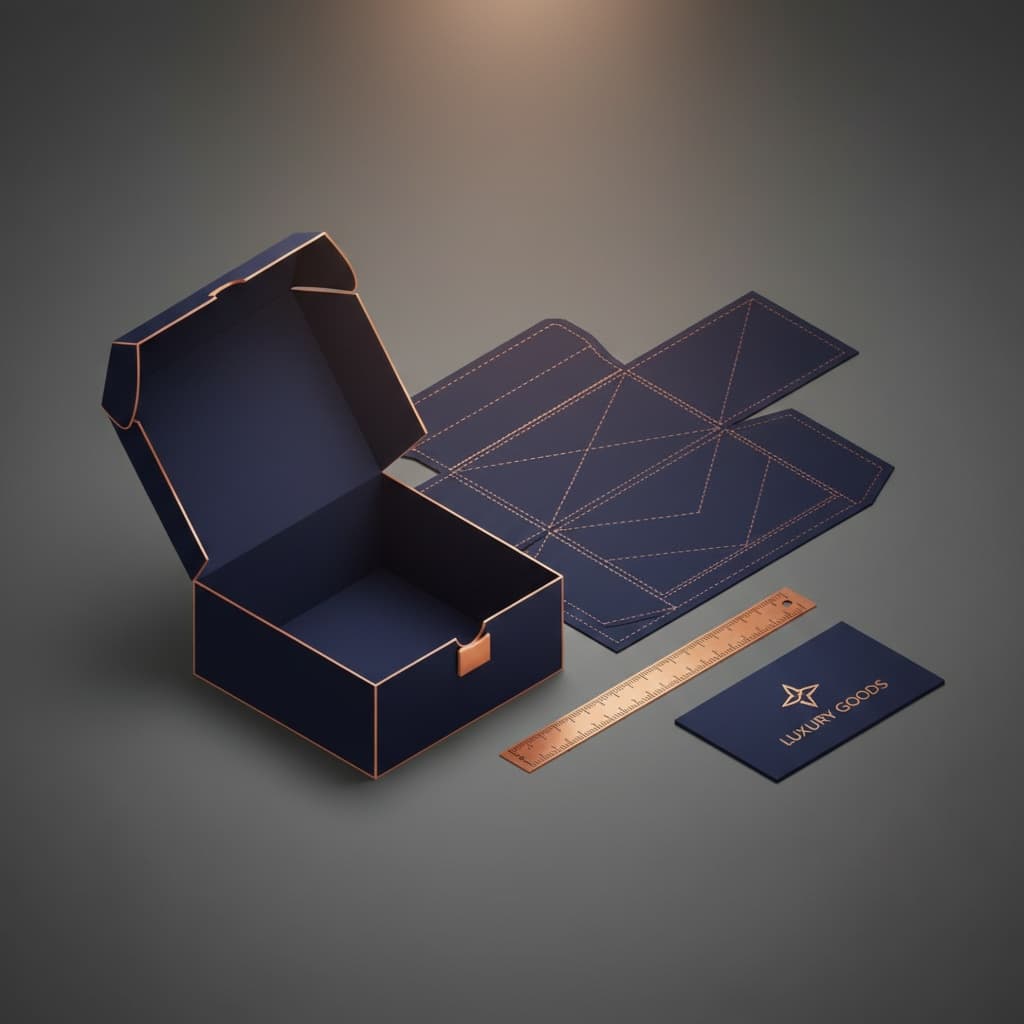
A sleeve dieline must show the panel widths, fold lines, overlap area, safe print zones and final wrap direction. Small errors can create misaligned front panels, hard sliding or text in the wrong place.
The Dieline Tool can help with early sizing and structure planning. For most standard Custom Packaging Sleeves, a 3D mockup is enough to review the wrap direction, print placement and final appearance before production.
Check these points before approving production:
- Finished product or box measurements
- Sleeve width and coverage
- Wrap direction
- Front panel centre point
- Overlap or glue area
- Barcode and QR code position
- Small text away from folds
- Product opening points
- Number of artwork versions
- Packing method
Physical samples should be used selectively. They are valuable when the sleeve must pass a complex fit test, slide over a textured box, hold a pack closed, align with a premium finish or handle an unusual product shape.
MOQ, Reorders and Sleeve Version Control
Custom Packaging Sleeves can work for first runs and larger repeat programs. MOQ starts from 50, with support for larger production runs, bulk sleeve orders and repeat packaging systems as the product range grows.
Version control matters when several sleeves use the same dieline. File names, SKU names, barcode details, material choices and finish notes should stay organised. This avoids printing the wrong sleeve for the wrong product or using old artwork on new stock.
Repeat orders are smoother when the base pack stays the same. If the box, tray, product size or material changes, the sleeve fit should be reviewed before reordering.
Local production, 4 to 6 day turnaround and free delivery can help with launch timing, but the fastest production starts with clean measurements, approved artwork and clear sleeve specifications.
Quote Details That Keep Sleeves Accurate
A clear quote request helps Custom Packly recommend the right sleeve style, material and print approach. For Custom Packaging Sleeves, the product details matter as much as the artwork.
Share these details where possible:
- Finished product or box size
- Product type and base packaging style
- Sleeve width or desired coverage
- Wrap direction
- Material preference such as white paperboard, kraft or cardboard
- Print needs, including one side, both sides or full wrap
- Finish ideas such as matte, gloss, foil, embossing or spot UV
- Quantity for the first run
- Expected repeat volume
- Number of artwork versions
- Barcode, QR code, ingredient or label details
- Launch date, event date or retail deadline
When the details are ready, Get a Quote with the size, quantity, artwork status and sleeve goal. Custom Packly can then guide the structure, material, print setup and approval path.
A Smarter Wrap for Packaging That Already Works
Custom Packaging Sleeves give brands a practical way to upgrade packaging without changing the full structure. They can add branding, hold products neatly, separate SKUs, support campaigns and make plain packs look ready for customers.
The best sleeve starts with the product and base pack. It uses the right coverage, fit, material, print placement and finish for the job. It should look like part of the packaging system, not a label added at the end.
Custom Packly supports Custom Packaging Sleeves with size guidance, dieline setup, 3D mockup review, material advice, print planning, finish selection and repeat order support. From small product runs to larger sleeve programs, the right sleeve can make packaging more flexible, more organised and more brand-ready.
FAQs
Related Packaging Styles
Related Industries
How it works
Simple steps from idea to delivery
Tell Us Your Specs

Tell Us Your Specs
Provide size, quantity, printing, and finishes.
Get a Fast Quote

Get a Fast Quote
Instant transparent pricing, no hidden fees.
Design and Approval

Design and Approval
Artwork checks, revisions, and final sign-off.
Produce

Produce
Expert manufacturing to meet deadlines.
Ship to Your Door

Ship to Your Door
Hassle-free, flexible delivery options.
Start Your Custom Packaging Quote
Share your product details, dimensions, quantity and artwork needs. We’ll help choose the right packaging style and send a clear quote.