Skip to content
Details

Custom Power Bank Boxes

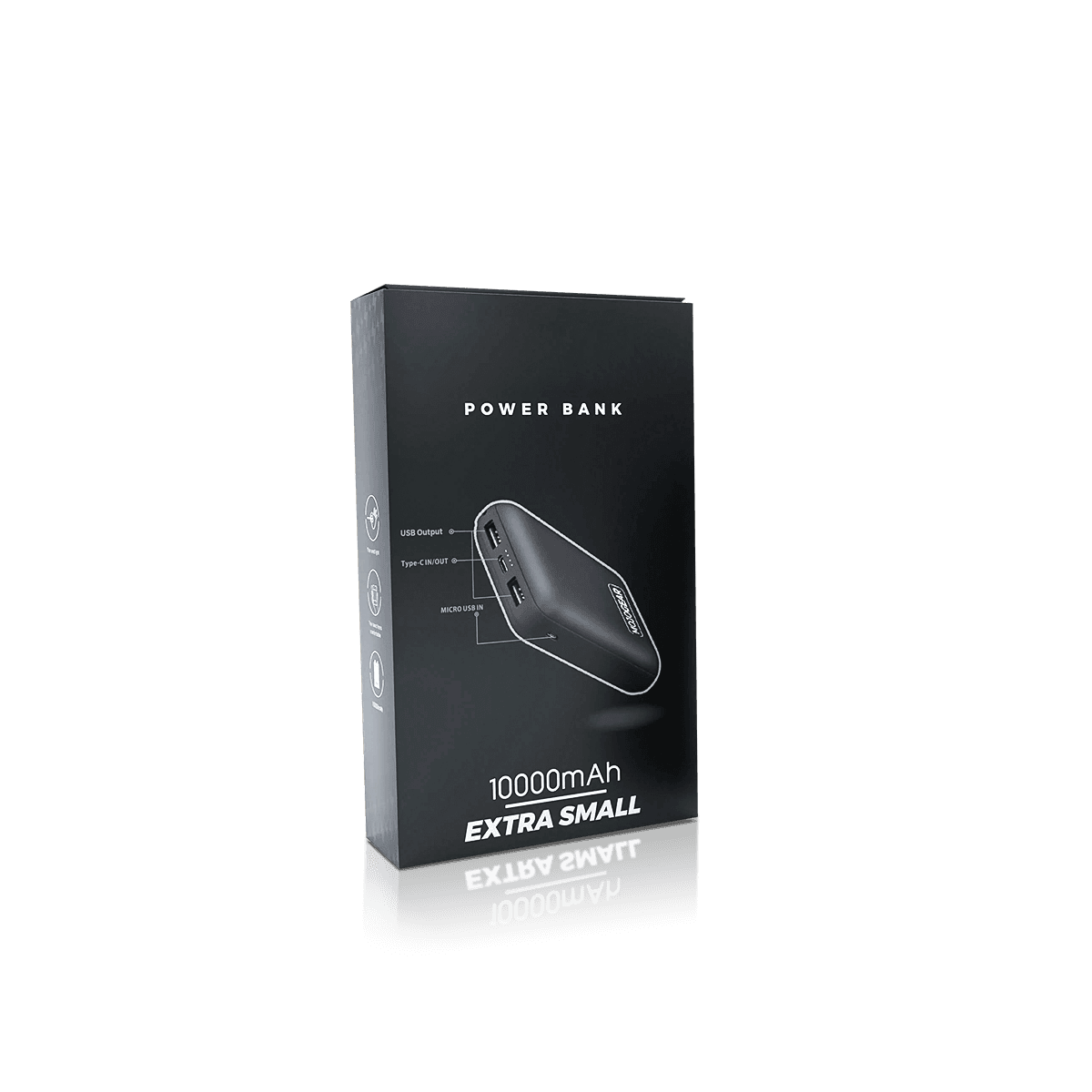
Secure heavy portable chargers with close-fit cartons, edge support and clear capacity details that make each model easy to recognise in retail or delivery.

Free Design Support

Clear Pricing

Flexible Quantities

Unlimited Customization

Premium Materials

Offset Precision

Free Shipping

Quick Turnaround

Custom Power Bank Boxes for Heavy Portable Chargers

Custom Power Bank Boxes should restrain a dense device without pressing on buttons, ports or indicator lights. The carton also needs room for a charging cable, booklet and any adapter supplied with the product.

Power banks may look simple, but small differences matter. Capacity, output wattage, port count, charging standard and body thickness can change the fit and the information that must appear on the box. A close structure reduces movement while giving the customer a clear view of what the device can do.

The broader Custom Electronics Packaging approach considers the device, its accessories and the way it will be displayed or delivered. Custom Power Bank Boxes need particular attention to weight support, edge clearance, cable placement and technical print hierarchy.

Slim everyday power banks

A narrow rectangular device can sit in a folded paperboard cradle with a finger notch. The insert should support the firm edges without covering the ports.

High-capacity models

Custom Power Bank Boxes for larger batteries may need thicker paperboard, a locked base or a corrugated outer carton for delivery.

Wireless and magnetic models

Wireless power banks need a clean view of the charging face. The insert should avoid pressure on raised rings, stands or coated surfaces.

Support the Weight Without Pressing the Battery Body

The main structural issue is how the filled weight travels through the insert and base.

A loose power bank can strike the carton walls. A very tight tray can place pressure on the casing or make removal difficult. Custom Power Bank Boxes should hold the device at stable contact points and leave clearance around ports, switches and display areas.

Side tabs, end stops or a raised platform can reduce movement. The support should feel firm when the box is moved gently, yet release the product without bending the tray.

Keep corners away from outer walls

A small margin around the corners helps stop direct contact with the printed carton. This matters for metal bodies, coated edges and sharp rectangular profiles.

Spread the load across the base

The insert should transfer weight across a broad area rather than one narrow tab. A heavier model may suit an auto-lock or reinforced base.

Make removal easy

Finger notches or pull tabs can help with deep trays. The customer should not need to shake the box or pull at the charging ports.

Give the Cable and Instructions Their Own Space

A loose cable can scratch the device, hide the first view and push against the closure.

Custom Power Bank Boxes work better when the cable has a defined pocket, lower compartment or paper sleeve. The space should suit the real coil diameter rather than a tightly wound sample prepared only for photography.

When a cable is sold separately, Custom Cable Boxes can use a slimmer structure. In a power bank set, the cable should remain easy to find without sitting on top of the device.

Side pockets for compact leads

A folded pocket can hold a short USB cable beside the power bank. This keeps the device visible and makes part checks quick.

Lower spaces for larger sets

A stepped insert can place the power bank above the cable, booklet and adapter. The lower space must still close without pushing upward on the device.

Choose a Carton That Matches the Product Position

Most Custom Power Bank Boxes use printed paperboard because it offers clean graphics and efficient flat storage before filling. The exact structure should match the product weight, retail position and opening experience.

Custom Folding Cartons and Tuck Boxes suit compact and mid-weight models. A straight tuck carton can give a clean front panel. A stronger base may suit a dense battery or a set with several accessories.

For premium devices, Custom Power Bank Boxes may use a rigid lid-and-base box or drawer structure. This gives more room for a staged opening, but it also adds material and freight volume.

Kraft board can suit a simple natural identity. White paperboard gives stronger colour contrast and clearer fine print. Corrugated board is often most useful as a delivery layer around the printed retail box.

Use Inserts to Control Movement and Presentation

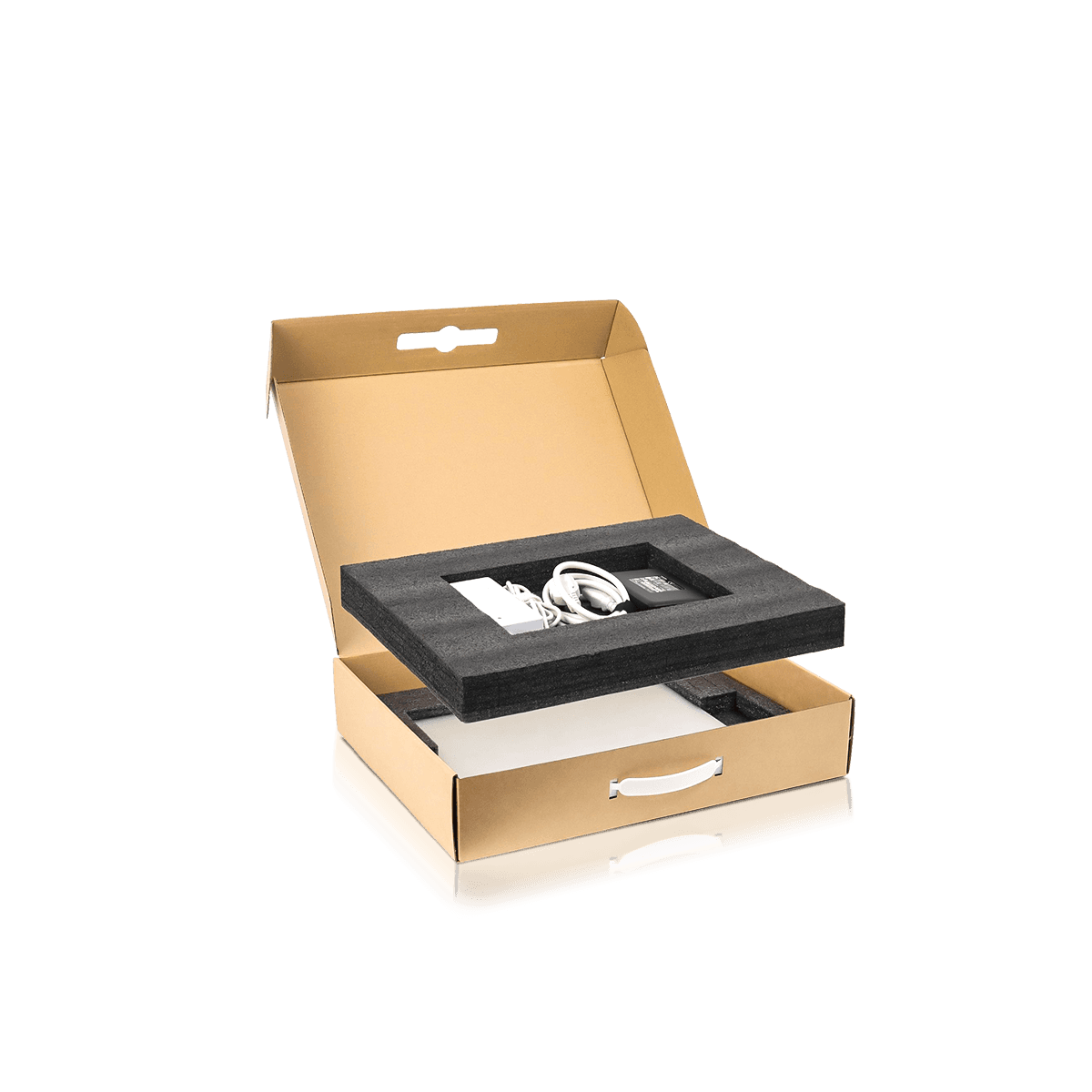
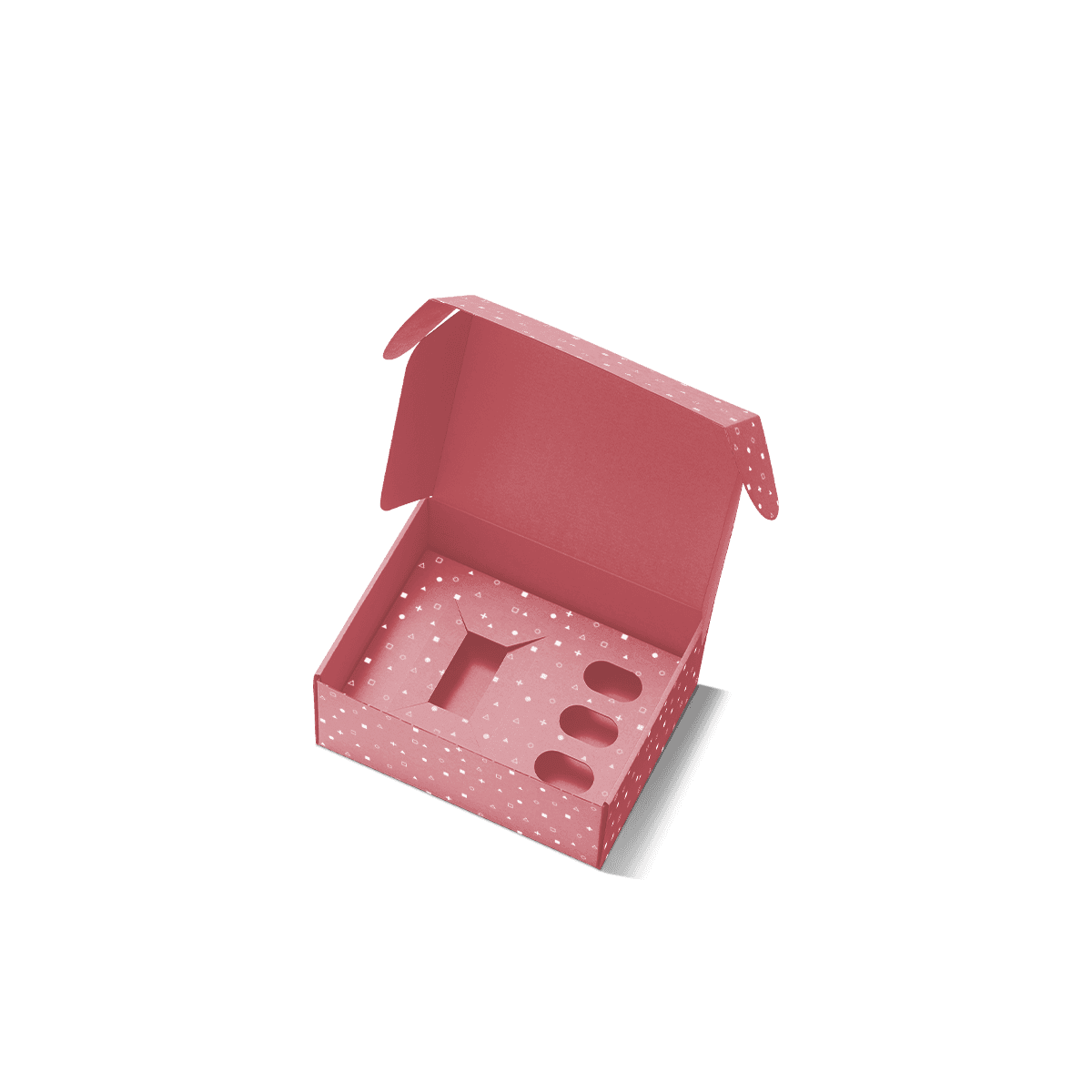
The insert should organise the whole set, not simply fill unused space. Custom Inserts and Dividers can create a cradle for the battery, a cable pocket and a separate area for instructions.

Paperboard inserts work well when the device shape is regular and the weight can be spread across folded supports. Corrugated inserts can add resistance for heavy models or rougher parcel handling.

Inserts for Custom Power Bank Boxes may use a shallow tray for a slim device or a deeper stepped structure for a high-capacity model. The product should remain centred when the box stands upright, lies flat or moves through delivery.

Protect buttons and ports

Cut-outs should leave clear space around power buttons, USB ports and indicator screens. These areas should not carry the main load.

Keep every component visible

A clear layout makes missing pieces easier to spot before closing. It also helps the customer understand the contents without searching beneath the device.

Make Capacity and Output Clear on the Front

Technical information often decides which power bank a customer selects. Printing on Custom Power Bank Boxes should make capacity, output wattage, port count and charging features easy to scan.

Do not bury these details in small back-panel text. Place the product name and capacity near each other. Add the strongest output or charging standard in a second clear position. Use the side or back for longer specifications, barcodes and instructions.

A colour block can separate capacities or finishes, but the printed number should remain the main cue.

Use one order for technical details

Keep the same hierarchy across every version. For example, show capacity first, output second and port type third.

Reserve space for confirmed markings

Plan artwork around approved warnings, supplier details and required marks. Do not add unconfirmed claims or compliance symbols during design.

Match images to the exact model

The ports, button position and casing colour in the image should match the item inside.

Plan Retail Display and Delivery Separately

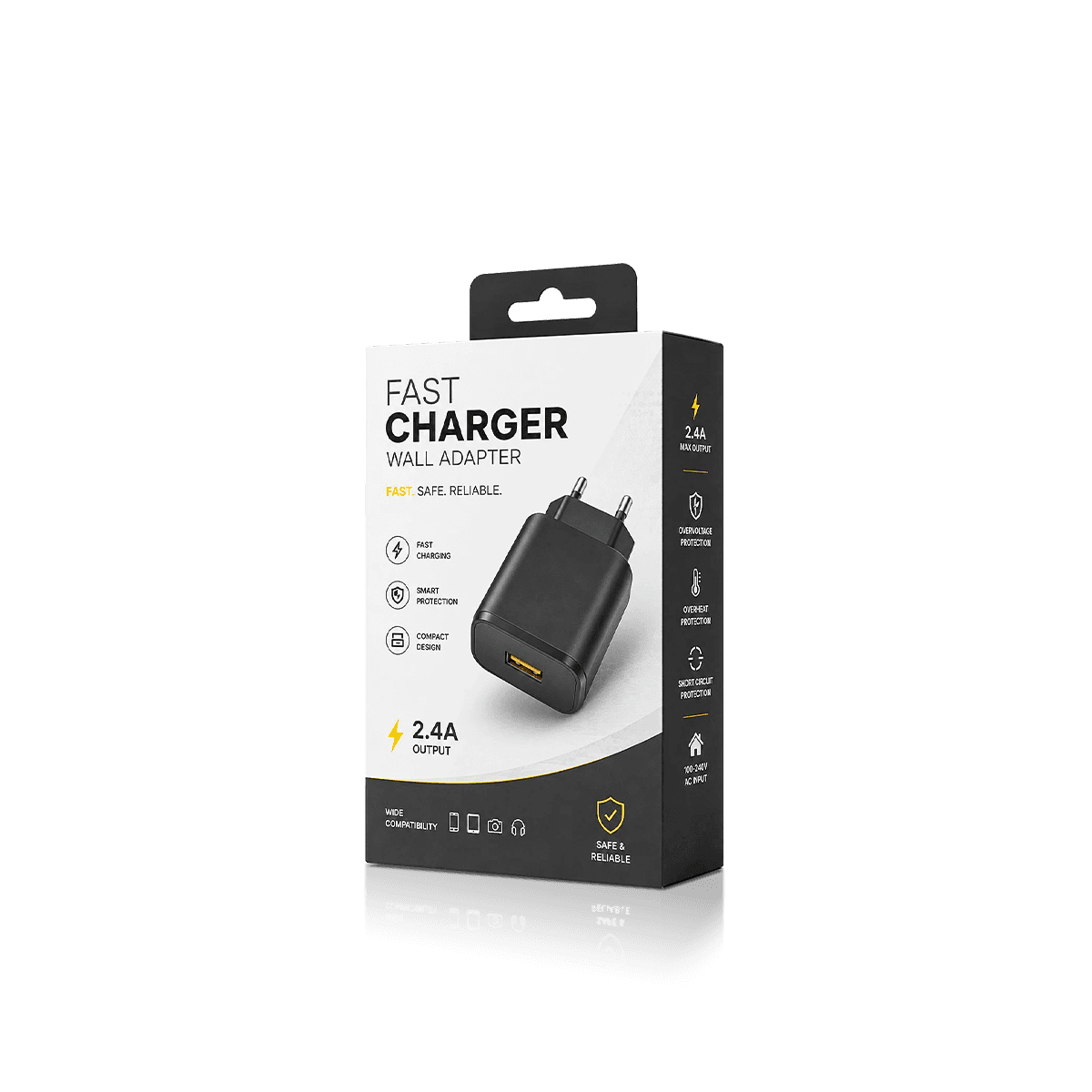
Custom Power Bank Boxes may stand on a shelf, hang from a peg or arrive inside a parcel. Each use places different pressure on the structure.

A peg tab must carry the filled weight without tilting. Shelf cartons need a stable base and clear top-panel text. Online orders often need a corrugated outer box to protect the printed carton from scuffs, labels and compression.

The retail box should not be treated as the only delivery protection by default. A close outer carton can reduce movement without excessive void fill.

Power banks contain lithium batteries, so the product owner should confirm the carrier and transport requirements that apply before dispatch. The retail carton supports physical protection and clear information, but it does not replace any required compliant delivery method. CASA notes that power banks can short circuit, overheat and catch fire when handled or carried incorrectly.

Test hang tabs while filled

An empty sample does not show how a dense battery pulls on the top panel. Test the real product and accessories on the intended display hook.

Keep labels off the retail carton

A separate outer carton protects printed surfaces and keeps safety or product information readable after delivery.

Separate Capacities, Colours and Port Versions

A power bank collection may share one visual identity while using several capacities, port combinations and body colours. Custom Power Bank Boxes should make each version distinct without creating needless structural changes.

Keep the logo, image style and panel order fixed. Capacity, output and port details can sit in controlled artwork zones. When device dimensions remain the same, several versions may share an outer carton and insert.

A capacity change can also change thickness or weight. Test the actual model before reusing a tray. A few millimetres can affect removal space, end pressure or cable fit.

State quantities by version

A total order of 2,000 boxes may include four capacities and five artworks. Give the quantity for each version so the quote reflects the real print split.

Record structural changes separately

A colour change may need new print only. A thicker battery may require a new dieline and insert.

Test Custom Power Bank Boxes While Fully Loaded

A useful sample contains the real power bank, cable, booklet and every accessory. The test should focus on weight movement, insert release and closure pressure.

Lift and turn the loaded sample gently. Check whether the device shifts, the cable rises into the lid or the insert collapses at one point. Open it several times to see whether the tray keeps its shape.

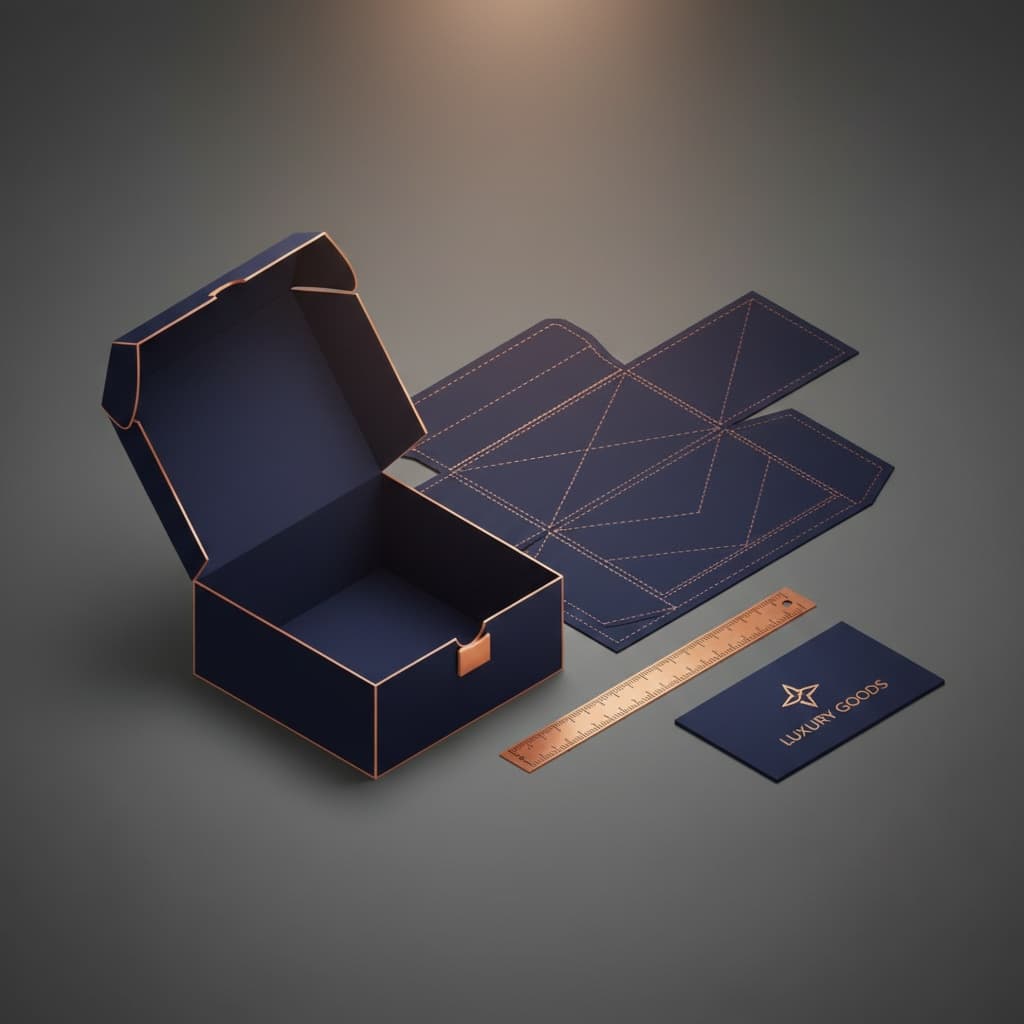
A 3D mockup can confirm panel order, artwork position and general dimensions. A physical sample is more valuable when the device is heavy, the insert is layered or a hang tab must carry the product.

Custom Power Bank Boxes should also be checked inside their planned delivery carton. This shows whether the retail box receives direct pressure or moves within the outer layer.

Order Custom Power Bank Boxes for Launches and Reorders

MOQ starts from 50, which can suit a new capacity, limited colour or retail trial. Custom Packly also supports production in the thousands and larger ongoing requirements as demand grows.

For a first run, approve the filled sample and all technical print before production. Keep the final board, dimensions, insert drawing, print references and finish details together.

Repeat Custom Power Bank Boxes need careful version control because capacity labels and output claims may change while the brand design stays similar. Send updated product specifications with every artwork revision.

When several versions share one carton size, group them clearly in the order. When they need different trays, list each insert separately.

Quote Custom Power Bank Boxes From the Complete Product

An accurate price depends on the filled item and intended use. Send:

  • Power bank length, width and height
  • Filled product weight
  • Capacity and output versions
  • Port type, button position and display areas
  • Cable size and coil diameter
  • Booklets, adapters or cases included
  • Quantity for each artwork and size
  • Shelf, peg or ecommerce use
  • Preferred board, insert and finish
  • Artwork status and required date

Custom Packly can then assess the carton, base and insert as one structure. Send the details through Get a Quote so pricing reflects the real device, accessory layout and order split.

FAQs

Yes, when the outer dimensions and weight remain close. Each model still needs a loaded fit test.

A folded paperboard or corrugated cradle can spread the weight and keep ports clear.

Yes. A stepped insert can create a lower cable space without hiding the main product.

They can be, but the tab and board must be tested with the full product weight.

Process

How it works

Simple steps from idea to delivery

01

Tell Us Your Specs

Custom packaging boxes

Tell Us Your Specs

Provide size, quantity, printing, and finishes.

02

Get a Fast Quote

Custom packaging boxes

Get a Fast Quote

Instant transparent pricing, no hidden fees.

03

Design and Approval

Custom packaging boxes

Design and Approval

Artwork checks, revisions, and final sign-off.

04

Produce

Custom packaging boxes

Produce

Expert manufacturing to meet deadlines.

05

Ship to Your Door

Custom packaging boxes

Ship to Your Door

Hassle-free, flexible delivery options.

Start Your Custom Packaging Quote

Share your product details, dimensions, quantity and artwork needs. We’ll help choose the right packaging style and send a clear quote.